


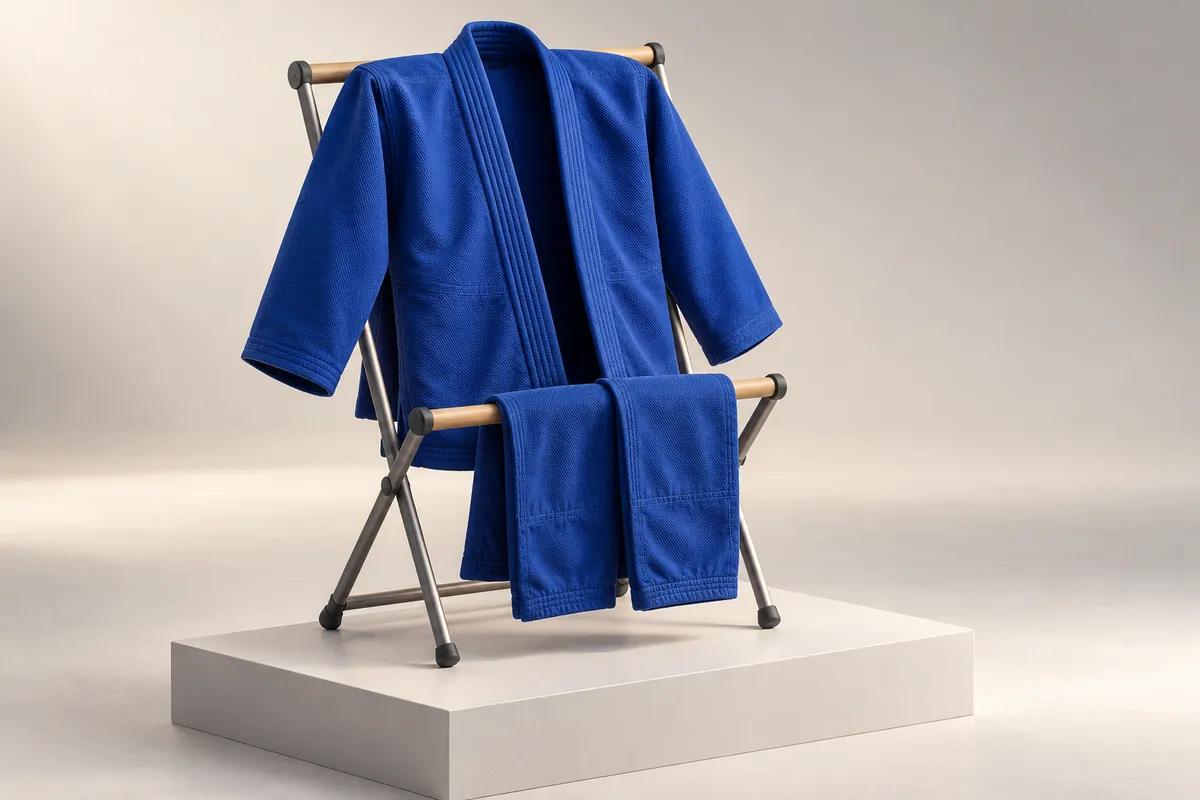
A lightweight jiu jitsu gi uses a thinner jacket weave, often with ripstop pants, so it feels cooler, packs smaller, and dries faster than a standard gi. It suits hot gyms, travel, and competitors watching weigh-ins. The trade-off is a thinner feel in the grip, so many people own one alongside a heavier gi.
Key Takeaways
- Lightweight vs. Heavyweight: Lightweight gis are generally preferred for hot environments, travel, and weigh-ins, while heavyweight gis are better for cold rooms and those who prefer a stiff feel.
- Weave Types: Lightweight gis often use single weave, pearl weave, or star weave, which are thinner and more breathable than double weave.
- Pant Fabric: Ripstop pants are common in lightweight gis due to their durability and packability.
- GSM as a Guide: GSM (grams per square meter) is a rough guide to a gi's weight; brands use different numbers, so it's not a strict rule.
- Competition Rules: Always check the specific event's rulebook, such as the IBJJF's, for gi requirements.
Table of Contents
- What makes a gi lightweight
- Who a lightweight gi suits
- Weave, GSM and pant fabric
- Travel and drying time
- Competition and weigh-ins
- What you give up
- Choosing your lightweight gi
- Frequently Asked Questions
What makes a gi lightweight
A lightweight gi is designed to be more breathable and comfortable in hot environments, easier to pack, and quicker to dry. The key factors that contribute to a gi's lightweight nature are the weave type, the GSM (grams per square meter) of the fabric, and the material used for the pants.
| Gi type (in general) | Typical feel | Usually chosen for |
|---|---|---|
| Ultralight | Thinnest, packs smallest | Travel and very hot rooms |
| Lightweight | Light but more structured | Summer training and competition days |
| Mid-weight | Balanced | Everyday training |
| Heavyweight | Thick, stiff collar | Cold rooms, students who like a heavy feel |
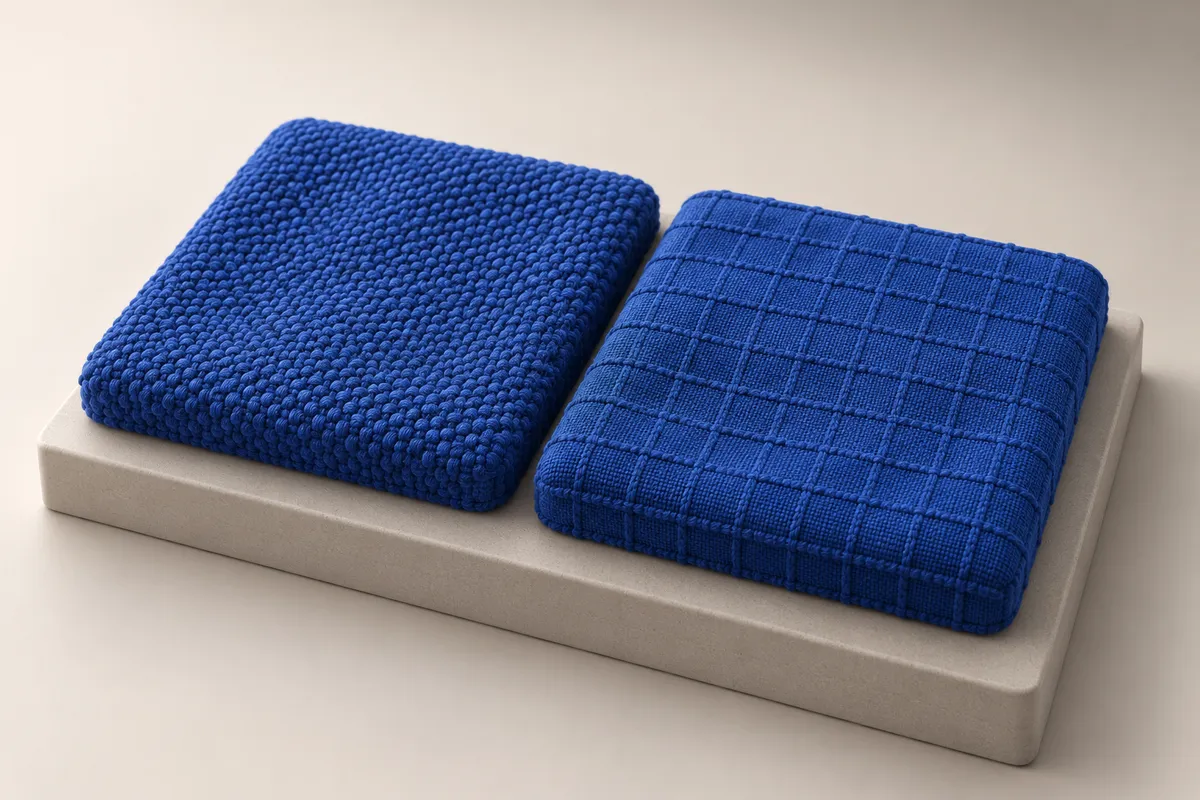
The weave type is crucial in determining the gi's weight and breathability. Single weave, pearl weave, and star weave are common in lightweight gis because they are thinner and more breathable compared to double weave. The GSM of the fabric is another important factor. For example, a listing such as the Ultralight Travel BJJ Gi with ripstop pants is listed as a 275 GSM jacket with 10 oz ripstop pants.
Who a lightweight gi suits
A lightweight gi is particularly well-suited for several types of practitioners. If you train in a hot gym, the lightweight gi's breathable fabric and thinner weave can help you stay cooler and more comfortable during rigorous sessions. For travelers, the lightweight gi's packability and quick-drying properties are invaluable. You can roll it up into a small bundle and easily fit it into a suitcase or backpack, and it will dry quickly if you need to wash it on the go.
Competitors who need to make weight for a tournament often prefer lightweight gis. The reduced weight can be a significant advantage when it comes to meeting weigh-in requirements. Additionally, the lighter fabric can feel less cumbersome during high-intensity matches, allowing for greater agility and movement.
Weave, GSM and pant fabric
The weave of a jiu jitsu gi plays a crucial role in its overall weight and performance. Single weave, pearl weave, and star weave are the most common types used in lightweight gis. Single weave is the thinnest and most breathable, making it ideal for hot environments. Pearl weave is slightly thicker and more structured, offering a good balance between breathability and durability. Star weave is a more recent development, offering a unique texture that is both lightweight and strong.
GSM (grams per square meter) is a measure of the fabric's weight and can give you a rough idea of how light or heavy a gi will be. However, it's important to note that different brands may use different GSM numbers, so it's not a strict rule. For example, a listing such as the Lightweight BJJ Gi in pearl weave is listed as a 380 GSM pearl weave jacket with 270 GSM ripstop pants.
The material used for the pants is also a key factor in a gi's overall weight and durability. Ripstop pants are a popular choice for lightweight gis due to their durability and packability. They are designed to resist tearing and can handle the rigors of training and travel.
Travel and drying time
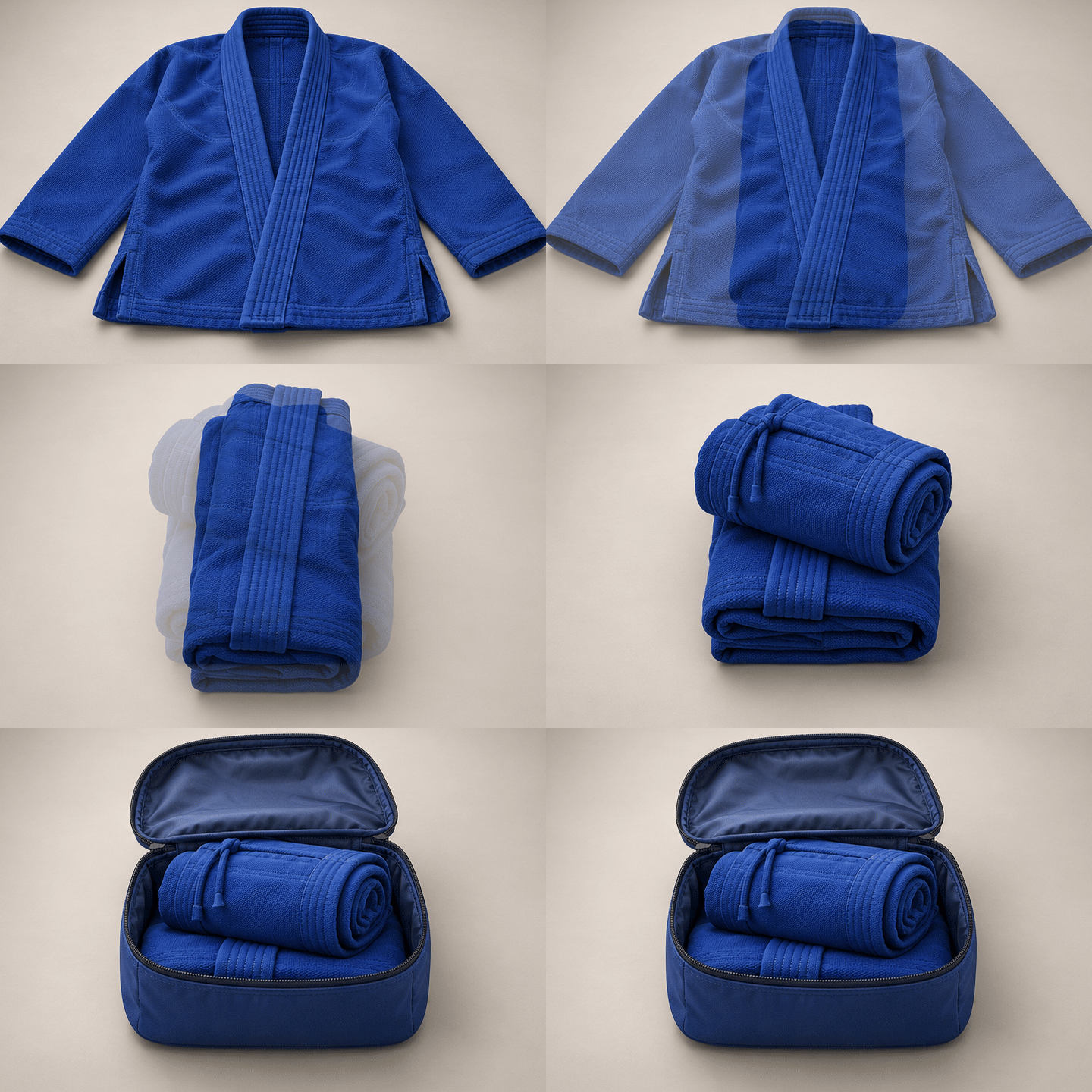
One of the most significant advantages of a lightweight gi is its portability and quick-drying properties, making it an excellent choice for travelers. The thinner, lighter materials used in lightweight gis, such as ripstop pants and lighter GSM weaves, significantly reduce the overall weight and bulk. For example, a listing such as the Ultralight Travel BJJ Gi in star weave (Blackout) is listed as a 275 GSM star weave jacket with 8 oz ripstop pants.
When traveling, space and weight are at a premium. A lightweight gi can easily fit into a small bag or backpack, making it ideal for those who need to carry multiple items. Additionally, the quick-drying capabilities of these gis are very useful. After a training session, you can hang your lightweight gi to dry in a matter of hours, which is particularly useful if you're staying in a hotel or have limited access to laundry facilities. This feature also makes lightweight gis a favorite among tournament competitors who need to wear their gi multiple times in a single day.
To maximize the benefits of a lightweight gi on the road, consider packing it in a compression bag or using packing cubes to save space. Additionally, bring along a small travel laundry bag to keep your gi separate from your other clothes and to hang it up for drying. These simple steps can make a significant difference in your travel experience and ensure that your gi is always ready for your next training session.
Competition and weigh-ins
Competitors often turn to lightweight gis for their ability to help with weigh-ins, especially in weight-sensitive categories. The reduced weight of a lightweight gi can make a crucial difference when trying to stay within the required weight limits. However, it's important to note that while a lightweight gi can help, it is not a guarantee of making weight. Proper hydration and nutrition management are still essential.
When it comes to competition rules, many events allow lightweight gis, but it's crucial to check the specific rules of the event you're entering. Event rulebooks such as the IBJJF's set uniform rules, which can vary slightly from one event to another. Always refer to the current rules and the event's notes to ensure compliance. Rules can cover things like fit, colour and condition, so read them before the event.
Many competitors find that a lightweight gi offers a more comfortable and mobile feel during matches, which can be advantageous. The lighter material allows for greater flexibility. However, the lighter weight also means a thinner feel in the grip, which can be a trade-off. Some competitors prefer to have a heavier gi for training and a lightweight gi for competition to balance these factors.
What you give up
While lightweight gis offer numerous benefits, there are also some trade-offs to consider. One of the most noticeable differences is the feel of the gi in the grip. Lightweight gis, with their thinner materials, can feel less substantial and may not provide the same level of resistance when grappling. This can be a disadvantage in certain training scenarios, particularly for those who are developing their grip strength or working on techniques that rely on a firmer grip.
Another consideration is durability. While modern lightweight gis are designed to be robust, they may not last as long as heavier, more traditional gis. The thinner materials can be more susceptible to wear and tear, especially in high-friction areas like the sleeves and pants. This can be a concern for those who train frequently or in rough conditions.
Lastly, the lighter weight and thinner materials can make a lightweight gi less suitable for cold environments. If you train in a gym with cooler temperatures, you might find that a lightweight gi doesn't provide the same warmth and comfort as a heavier gi. In such cases, it might be beneficial to have a mid-weight or heavyweight gi for colder days and a lightweight gi for warmer conditions.
Choosing your lightweight gi
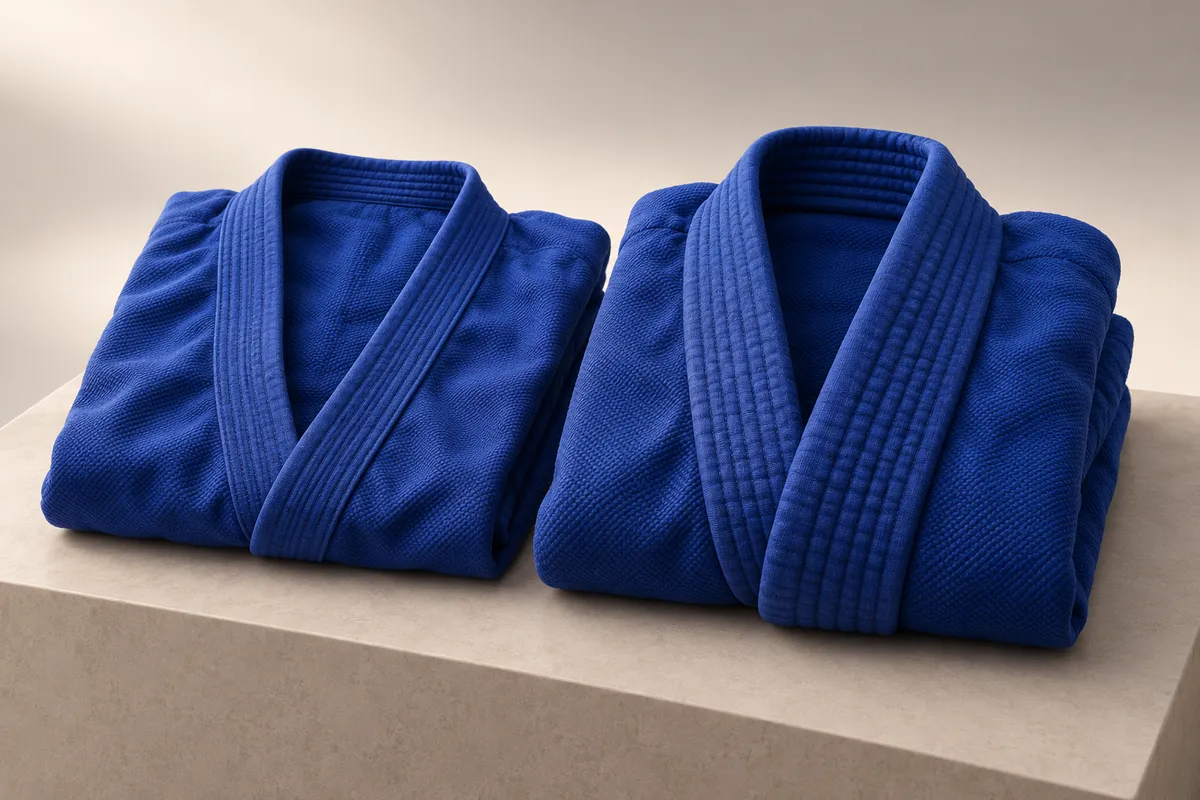
When choosing a lightweight gi, it's essential to consider your specific needs and preferences. The first step is to identify what you need the gi for. Are you primarily looking for a gi to train in hot conditions, to travel with, or to use for competitions? Each use case has its own set of requirements, and understanding your primary goal will help you make an informed decision.
For travel, look for a light jacket weave with ripstop pants, and check each listing for the jacket weave and the pant fabric.
For summer training or competition days, a lightweight gi with a more structured feel, such as a light pearl weave jacket with ripstop pants, can provide a good balance of lightness and grip. Pearl weave is known for its smooth, slightly textured surface, which offers a good grip without being too heavy.
If you want a women's cut, a listing such as the Women's Ultralight BJJ Gi is listed as a 275 GSM jacket with 10 oz ripstop pants, in women's sizing. Check the women's size guidance on the listing before you order.
Before making your final decision, try on different gis if possible, and ask training partners how their light gis feel. This will give you a better sense of how the gi fits and feels in practice. Additionally, consider the care instructions and the gi's durability, as these factors can impact your long-term satisfaction with your purchase.
Frequently Asked Questions
What counts as a lightweight BJJ gi?
A lightweight BJJ gi typically features a thinner jacket weave and lighter-weight pants. The jacket is usually made from a single weave, pearl weave, or star weave. The pants are often made from ripstop fabric, which is more durable and lightweight than traditional cotton. These features make the gi feel cooler, pack smaller, and dry faster than heavier gis.
Are lightweight gis allowed in competition?
Many events allow lightweight gis, but the specific rules can vary. Event rulebooks such as the IBJJF's set uniform rules, so it's important to check the current rules and the event's notes. If you are unsure, ask the organiser well before the event.
Is a lightweight gi good for a beginner?
A lightweight gi can be a good choice for beginners, especially if they train in hot environments or travel frequently. However, beginners might also benefit from a mid-weight gi for its durability and structure, which can help them learn proper techniques. It's a good idea to consider your training environment and personal preferences before deciding.
What is the lightest type of gi?
The lightest type of gi is typically an ultralight gi. These gis use the thinnest materials, such as a thin jacket weave and light ripstop pants, making them ideal for travel and training in very hot rooms. They pack the smallest and dry the fastest, but they may feel less substantial in the grip compared to heavier gis.
Conclusion
When choosing a lightweight jiu jitsu gi, consider your training environment, travel needs, and competition requirements. Lightweight gis offer a cooler, more packable, and faster-drying option, which suits hot gyms, travel, and weigh-ins. Just be aware of the trade-offs in grip and durability, and always check the event rules to ensure your gi is compliant.


