


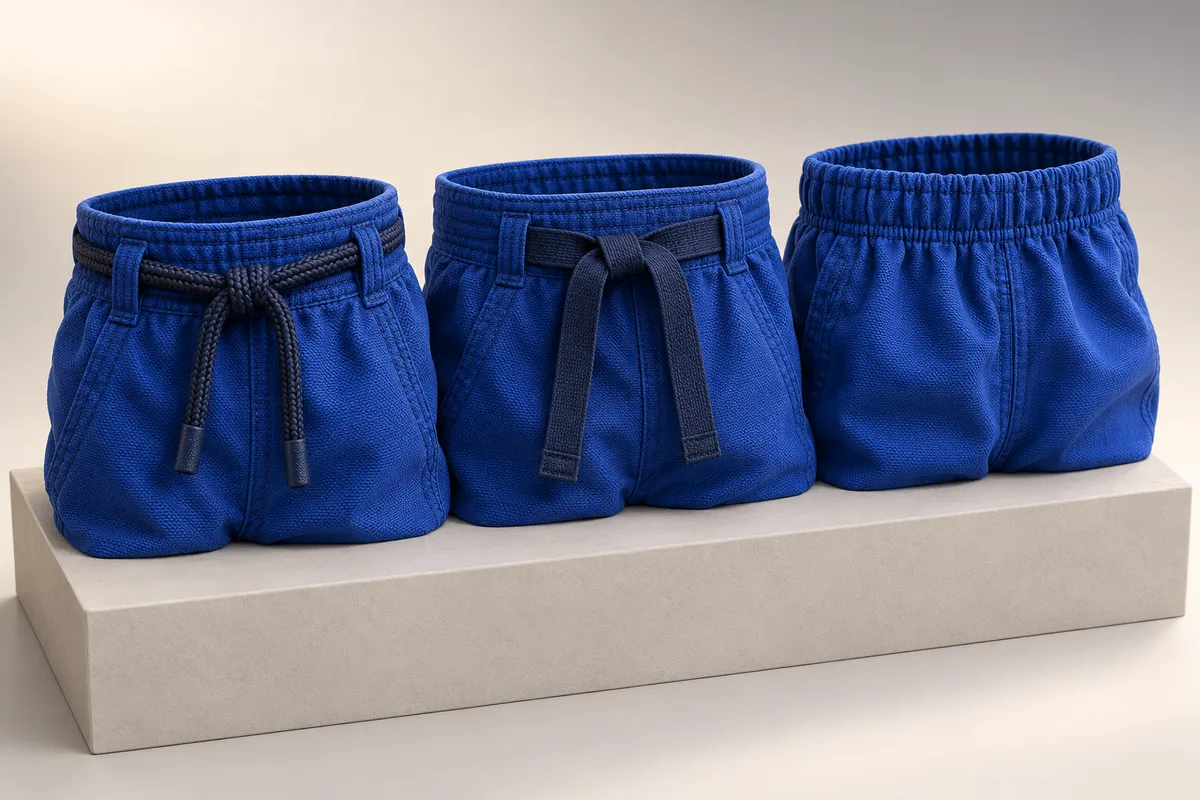
Gi pants close with a rope drawstring, a flat cord, or an elastic band, often combined with belt loops. Rope holds a knot well, flat cord is easy to adjust, and elastic suits children. Tie your gi pants drawstring with a bow tucked into the waistband, and replace a frayed cord before it snaps mid-class.
Key Takeaways
- Drawstring Types: Rope, flat cord, and elastic waistbands each have unique benefits and are suitable for different gi pants.
- Tying Method: A secure bow knot, tucked into the waistband, helps keep your gi pants in place throughout a class.
- Waistband Adjustment: Elastic waistbands are ideal for kids and offer easy adjustability, while rope drawstrings provide a secure fit for adults.
- Replacement Drawstring: Use a safety pin to thread a new drawstring through the waistband channel.
- When to Replace: Torn channels, broken loops, or loose elastic may indicate it's time to replace your gi pants.
Table of Contents
- Why gi pants come loose
- Rope, flat cord and elastic waistbands
- How to tie gi pants so they stay up
- Threading a replacement drawstring
- Elastic waistbands for kids
- When to replace the pants
- Frequently Asked Questions
Why gi pants come loose
Gi pants can come loose for several reasons, but the most common issues are related to the drawstring, the fit, and the way you tie the waistband. A loose drawstring can unravel, especially if it's not tied securely. Similarly, if the pants are too large, the waistband may not hold as well, leading to constant adjustments during training. Lastly, the method you use to tie the waistband can significantly impact its durability and security throughout your class.
One of the primary reasons gi pants come loose is the drawstring itself. Over time, the drawstring can become frayed or worn, making it difficult to tie a secure knot. This is particularly common with rope drawstrings, which are thicker and more prone to wear. Flat cords, while easier to adjust, can also come loose if not tied properly. Elastic waistbands, while generally more secure, can lose their elasticity over time, especially in the heat and humidity of a training environment.
Another factor is the fit of the pants. If the pants are too large, the waistband will have more slack, making it easier for the drawstring to come loose. Conversely, if the pants are too tight, the drawstring may not be able to tighten enough to provide a secure fit. Ensuring you have the right size gi pants is crucial for a comfortable and secure fit during training.
Finally, the way you tie the waistband plays a significant role in how well it stays in place. A simple knot may come loose, especially if you're moving around a lot during training. A more secure method, such as a bow knot or a double bow, can help keep the pants up and reduce the need for constant adjustments.
Rope, flat cord and elastic waistbands
| Waistband type (in general) | How it holds | Often found on |
|---|---|---|
| Rope drawstring | Thick cord, knot grips well | Many adult gi pants |
| Flat cord | Lies flat, easy to adjust | Lighter and ripstop pants |
| Elastic band | Stretches, little tying needed | Kids pants, sometimes combined with a cord |
| Elastic rope with loops | Rope through several loops spreads the pull | Some adult pants |
Rope drawstrings are the most traditional and are found on many adult gi pants. These thick cords are excellent for holding a secure knot, which is crucial for preventing your pants from coming loose during intense training. However, they can be bulkier and may not be the most comfortable option for everyone.
Flat cords, on the other hand, are thinner and lie flatter against the body. They are often used in lighter and ripstop pants, providing a balance between adjustability and comfort. While they may not hold a knot as securely as rope drawstrings, they are easier to adjust and can be a good choice for those who prefer a sleeker, more streamlined look.
Elastic waistbands are particularly popular for kids' gi pants because they provide a snug, flexible fit that can accommodate a range of body sizes. These waistbands often require minimal tying, making them easy for children to put on and take off. Some adult pants also feature elastic waistbands, sometimes combined with a cord for added adjustability.
How to tie gi pants so they stay up
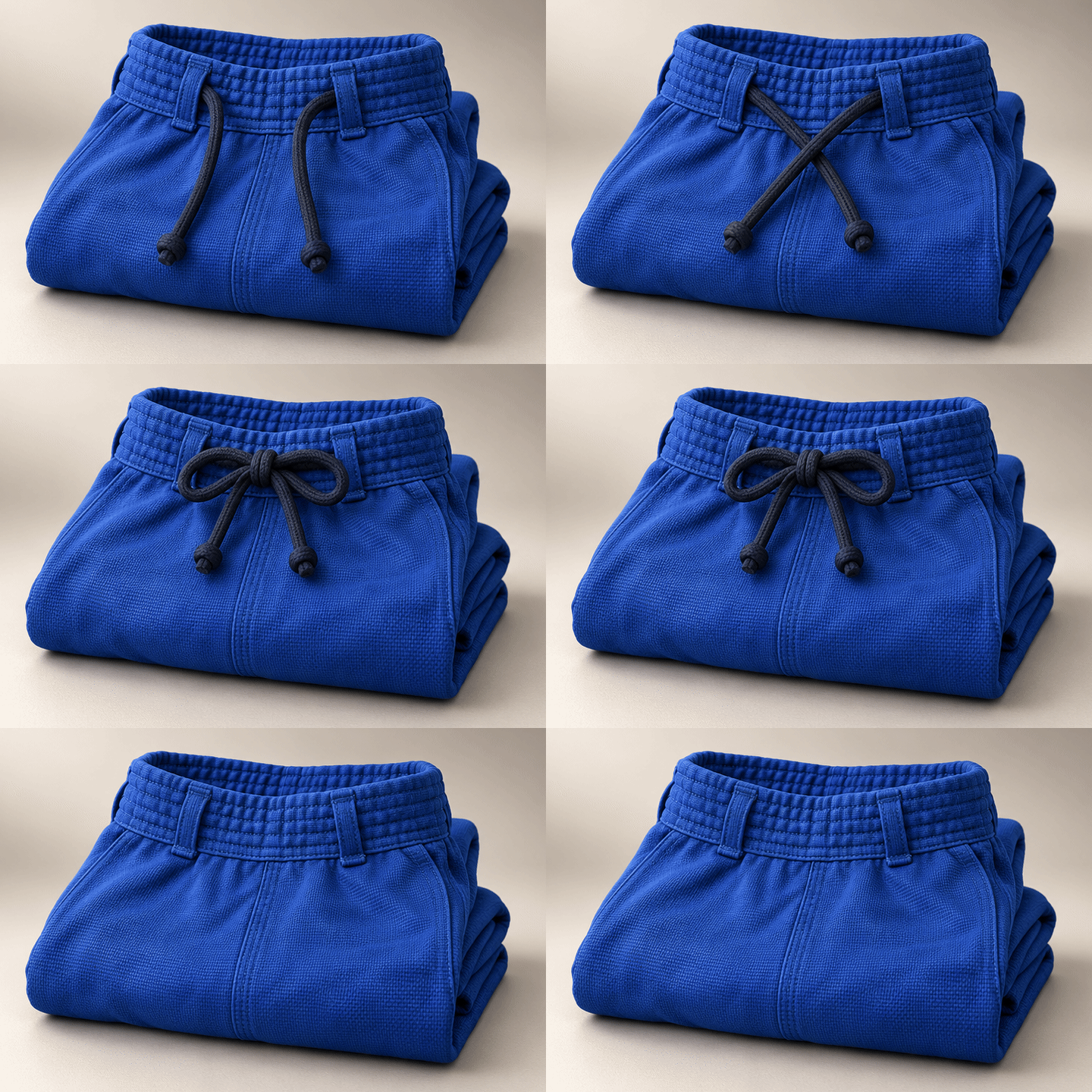
Tying your gi pants correctly is essential for ensuring they stay up throughout your training session. Here’s a step-by-step guide to tying a secure bow knot that will keep your pants in place:
- Thread the Drawstring: Start by threading the drawstring through the waistband channel. Make sure it is evenly distributed on both sides of the waistband.
- Pull Snug: Pull the drawstring tight to remove any slack. This will help create a snug fit around your waist.
- Tie a Basic Knot: Cross the ends of the drawstring and pull one end through the loop to create a basic knot. This will hold the drawstring in place.
- Tie a Bow: Form a loop with one end of the drawstring and hold it with one hand. With the other hand, wrap the other end around the loop and pull it through to create a bow. Make sure the bow is tight and secure.
- Tuck the Ends: Tuck the ends of the drawstring and the loops inside the waistband to keep them out of the way and prevent them from coming loose.
By following these steps, you can ensure that your gi pants stay securely in place, allowing you to focus on your training without the distraction of constantly adjusting your pants. A well-tied bow not only looks neat but also provides the necessary security and comfort for a successful training session.
Threading a replacement drawstring
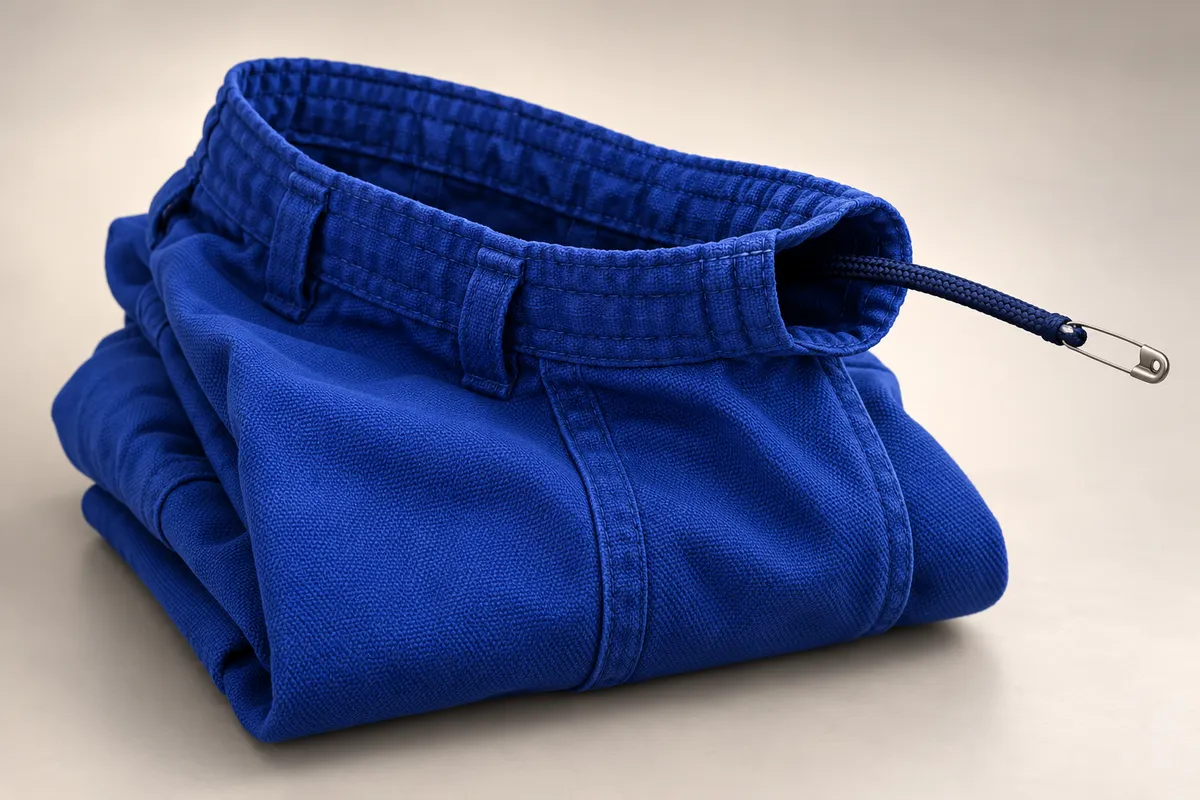
Replacing a worn or broken drawstring is a straightforward process that can extend the life of your gi pants. Whether you’ve lost the original cord or it’s become frayed, following these steps will ensure your pants stay securely in place during training. Here’s how to thread a new drawstring:
- Gather Materials: You’ll need a new drawstring, a safety pin, and your gi pants.
- Attach the Safety Pin: Fold one end of the new drawstring and attach a safety pin to it. This will help guide the cord through the waistband channel.
- Thread the Drawstring: Insert the safety pin into one of the belt loops at the waistband. Push the safety pin through the channel, following the path of the old drawstring if it’s still visible. If not, make sure to go through all the loops.
- Pull Through: Once the safety pin emerges from the other side, pull the drawstring through until you have equal lengths on both ends.
- Tie and Adjust: Tie the ends of the drawstring in a secure bow, and adjust the tightness to your preference. Tuck the ends into the waistband to keep them from coming loose.
With the new drawstring in place, your gi pants should fit securely and comfortably, ready for your next training session.
Elastic waistbands for kids
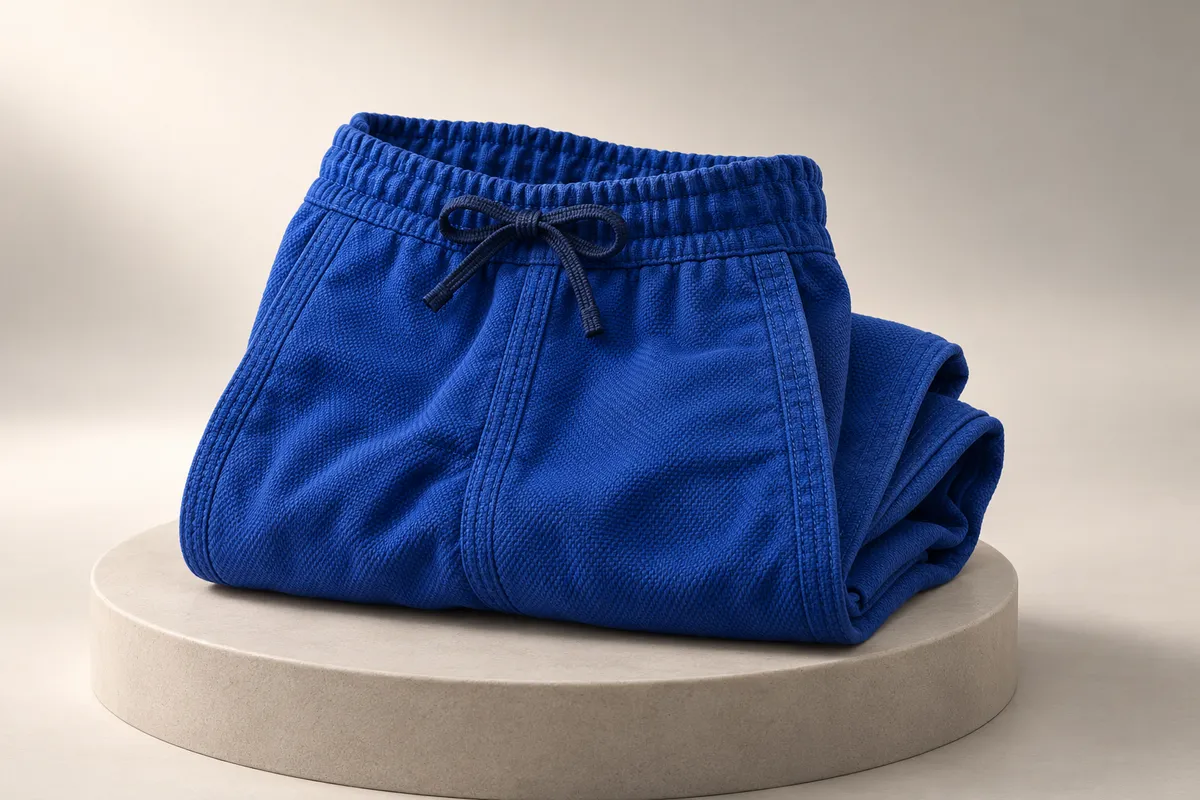
Elastic waistbands are particularly popular for kids' gi pants due to their ease of use and flexibility. Unlike drawstrings, elastic waistbands stretch to fit a range of sizes, making them ideal for growing children. This feature also reduces the risk of the pants coming loose during active movements, which is common in gi pants with drawstrings.
For parents, elastic waistbands offer convenience and peace of mind. They eliminate the need to tie and retie the pants, which can be challenging for younger children. However, it’s important to check the fit regularly, as the elastic can stretch out over time, especially with frequent washing and intensive training.
If you’re looking for gi pants with an elastic waistband for your child, consider options that combine the elastic with a flat cord. This hybrid design provides the ease of an elastic band while allowing for additional adjustments if needed. It’s a practical choice that balances comfort and security.
When to replace the pants
Knowing when to replace your gi pants is crucial for maintaining a comfortable and functional training experience. One of the most common reasons for replacement is a worn-out or broken drawstring. If your drawstring is frayed or has snapped, a new cord is often enough. The pants themselves need replacing when other parts fail.
For example, if the waistband channel is torn or the belt loops are broken, it can be difficult to keep the drawstring in place. In such cases, replacing the pants is often the best solution. Even if you manage to thread a new drawstring, the waistband may keep failing, leading to further issues.
Another sign that it’s time to replace your gi pants is when the elastic has lost its stretch. This is more common with pants that have an elastic waistband. If the elastic no longer holds the pants securely, they will come loose during training, which can be both distracting and frustrating.
When shopping for replacement pants, compare how each listing describes its waistband. A listing such as the Replacement BJJ Gi Pants in blue is listed as 8 oz cotton twill with full knee reinforcement and a stretch drawstring. The Replacement BJJ Gi Pants in 12 oz ripstop is listed as 12 oz ripstop with a 6-loop elastic rope, and the Unisex Replacement BJJ Gi Pants is listed with a cord drawstring.
By keeping an eye on these key indicators, you can ensure that your gi pants remain in optimal condition, allowing you to focus on your training without any distractions.
Frequently Asked Questions
How do you tie drawstring gi pants?
To tie drawstring gi pants, thread the cord through the belt loops, pull it snug, and tie a bow or double bow. Tuck the loops and ends inside the waistband to keep them from coming loose during your class. This method ensures the pants stay in place and remain comfortable throughout your training.
Do all gi pants have a drawstring?
Not all gi pants have a drawstring. Some pants, especially those designed for children, may have an elastic waistband instead. Elastic waistbands are easier to adjust and provide a snug fit without the need for tying a knot. However, most adult gi pants still come with a drawstring for a more secure and customizable fit.
Why do my gi pants keep coming untied?
Your gi pants may come untied due to a loose knot, a frayed or thin drawstring, or insufficient tension in the waistband. Ensure you tie a secure bow or double bow and pull the drawstring snugly through the loops. If the drawstring is frayed, it may be time to replace it to prevent it from snapping mid-class.
How tight should the waistband be?
The waistband should be tight enough to keep the pants securely in place during your training but not so tight that it is uncomfortable or restricts movement. Adjust the drawstring or elastic band to ensure a snug fit that allows for a full range of motion. A properly adjusted waistband will stay in place without feeling too constrictive.
Conclusion
When choosing between a drawstring and an elastic waistband for your gi pants, consider your personal comfort and the type of training you do. A secure, well-tied drawstring can keep your pants in place, while an elastic waistband offers ease of use, especially for kids. If you experience issues with your drawstring, follow the steps to tie it securely or replace it as needed. A well-maintained gi pants drawstring ensures you stay focused on your training without any distractions.


