


BJJ gi pants are the reinforced cotton or ripstop trousers worn with the gi jacket. Pants usually wear out before the jacket, so many students buy replacement pants on their own. Choose by fabric (twill or ripstop), knee reinforcement, waistband type, and a length that ends near the ankle.
Key Takeaways
- Fabric Choices: Gi pants are typically made from cotton twill, ripstop, or cotton blends, each with distinct characteristics.
- Signs of Wear: Replace your pants if you notice thinning knees, torn seams, split crotch, or shrinking.
- Fit and Length: Pants should fit comfortably with room in the seat and knees, and end near the ankle.
- Waistbands: Options include drawstrings, elastic waistbands, and rope waistbands, each offering different levels of adjustability.
- Mixing Sizes: You can mix different sizes for the jacket and pants, but always check the brand's sizing chart and fit recommendations.
Table of Contents
- What BJJ gi pants are
- Signs your pants need replacing
- Twill, ripstop and blends
- Reinforcement: knees and seat
- Waistbands and drawstrings
- How gi pants should fit
- Mixing jacket and pant sizes
- Frequently Asked Questions
What BJJ gi pants are
Jiu-jitsu gi pants, traditionally known as shitabaki in Japanese, are the reinforced trousers worn with the gi jacket during Brazilian jiu-jitsu training and competition. Unlike regular athletic pants, gi pants are designed to withstand the rigorous demands of grappling, with reinforced areas where grappling causes the most wear.
Jiu-jitsu pants are distinct from no-gi spats, which are lighter and more form-fitting, designed for training without a gi. Gi pants are usually made from heavier woven fabrics like cotton twill or ripstop, with additional reinforcement in high-stress areas such as the knees and crotch. This construction is meant for the intense pulling, twisting, and pressure often encountered during BJJ practice.
Many BJJ students opt to buy replacement gi pants on their own, rather than purchasing an entire new gi. This is because pants typically wear out faster than jackets due to the constant friction and stress they endure during training. By replacing only the pants, students can extend the life of their gi and save money on unnecessary replacements. Additionally, buying pants separately allows students to customize their gi setup, choosing the fabric, fit, and features that best suit their individual preferences and needs.
Signs your pants need replacing
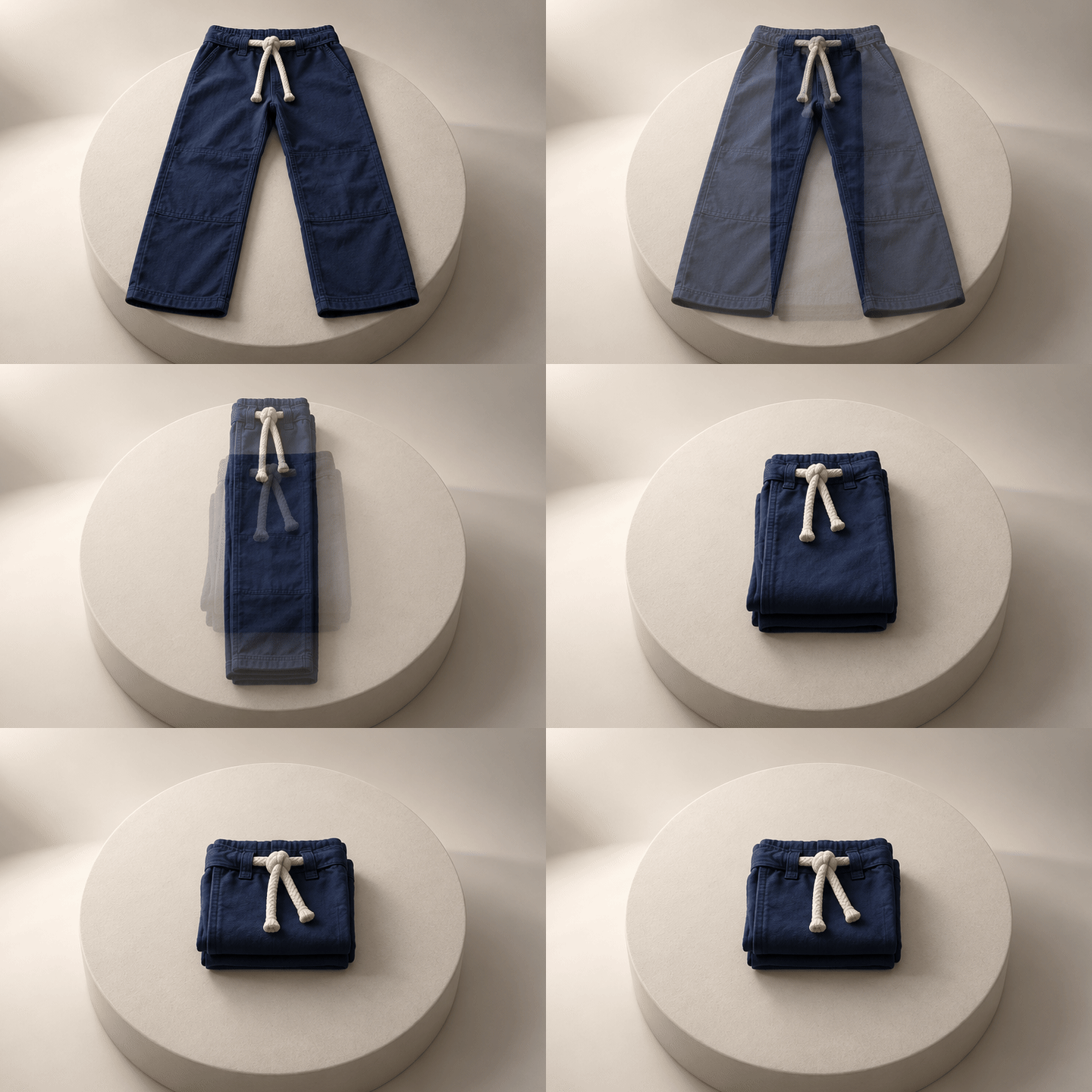
One of the most common signs that your gi pants need replacing is thinning fabric, especially around the knees. Hold the pants up to the light and look for any areas where the fabric has become thin or see-through. This is a clear indication of wear and tear, and continuing to use them can lead to tears during training.
Another critical area to check is the crotch seam and the drawstring channel. These areas are under a lot of stress and can easily tear or fray. Inspect the seams for any signs of fraying or splitting. A broken drawstring channel can make it difficult to secure the pants properly, which can be both uncomfortable and distracting during training.
Lastly, pay attention to the length of your pants after washing. Over time, pants can shrink, making them too short for some event rules. Events like competitions may ask for a uniform change if your pants are torn or too short, so it’s essential to check the current rules of the federation you are participating in. Regularly assessing these areas will help you determine when it’s time to invest in a new pair of Training pants.
Twill, ripstop and blends
| Pant fabric (in general) | Typical feel | Often chosen for |
|---|---|---|
| Cotton twill | Soft, classic, a little heavier | Everyday training, matching a cotton jacket |
| Ripstop | Lighter, smoother, quicker to dry | Warm weather, travel, lighter kits |
| Cotton blend | Mid-weight, easier care | Budget or spare pants |
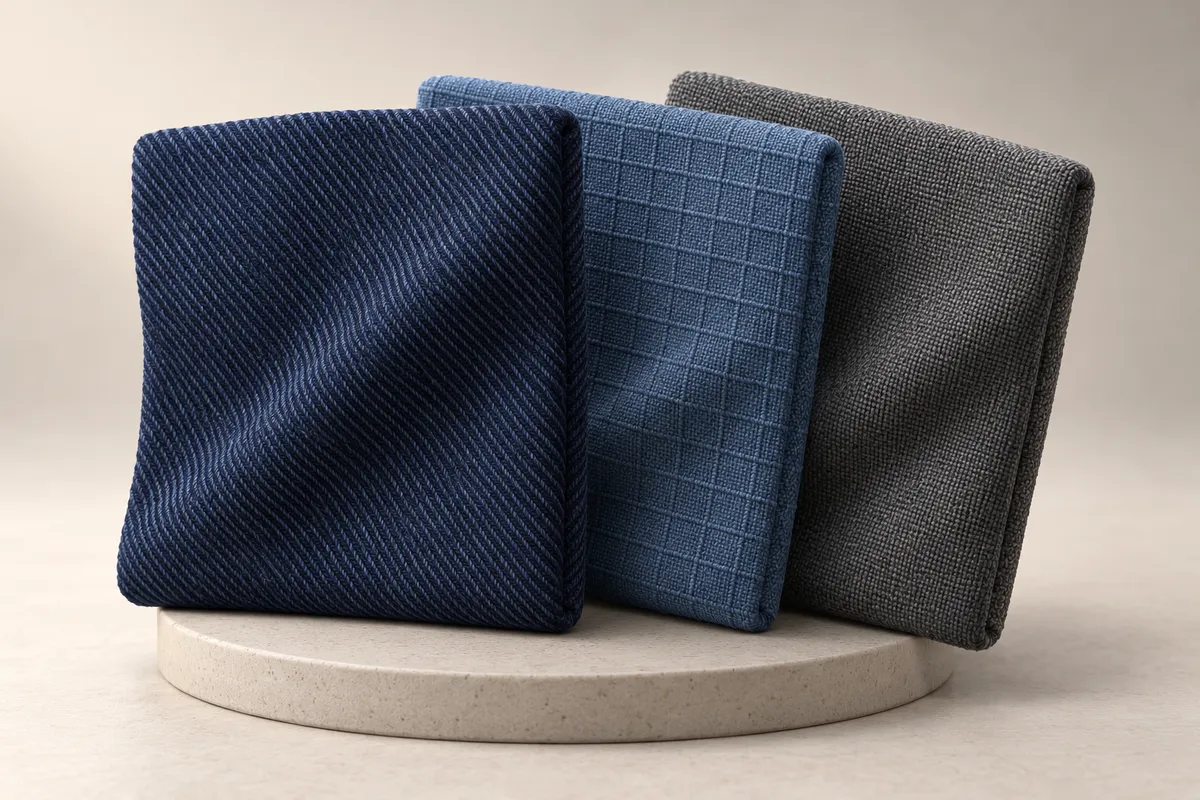
Choosing the right fabric for your gi pants is crucial for both comfort and performance. Cotton twill is a classic choice, known for its soft, classic feel. It is heavier and more suitable for everyday training, especially when matched with a cotton jacket. A listing such as the navy Adult Replacement gi pants is listed as 10 oz cotton twill in a 60% cotton / 40% polyester blend, with reinforcement.
Ripstop fabric, on the other hand, is lighter and smoother, making it ideal for warm weather training or travel. It dries quickly, which is a significant advantage during long training sessions or tournaments. A listing such as the 12 oz Ripstop replacement gi pants is listed as 12 oz ripstop with a pearl-weave crotch panel and a 6-loop elastic rope waistband.
Cotton blends offer a mid-weight option that is easier to care for, making them a popular choice for budget-conscious practitioners or those who need a spare set of pants.
Reinforcement: knees and seat
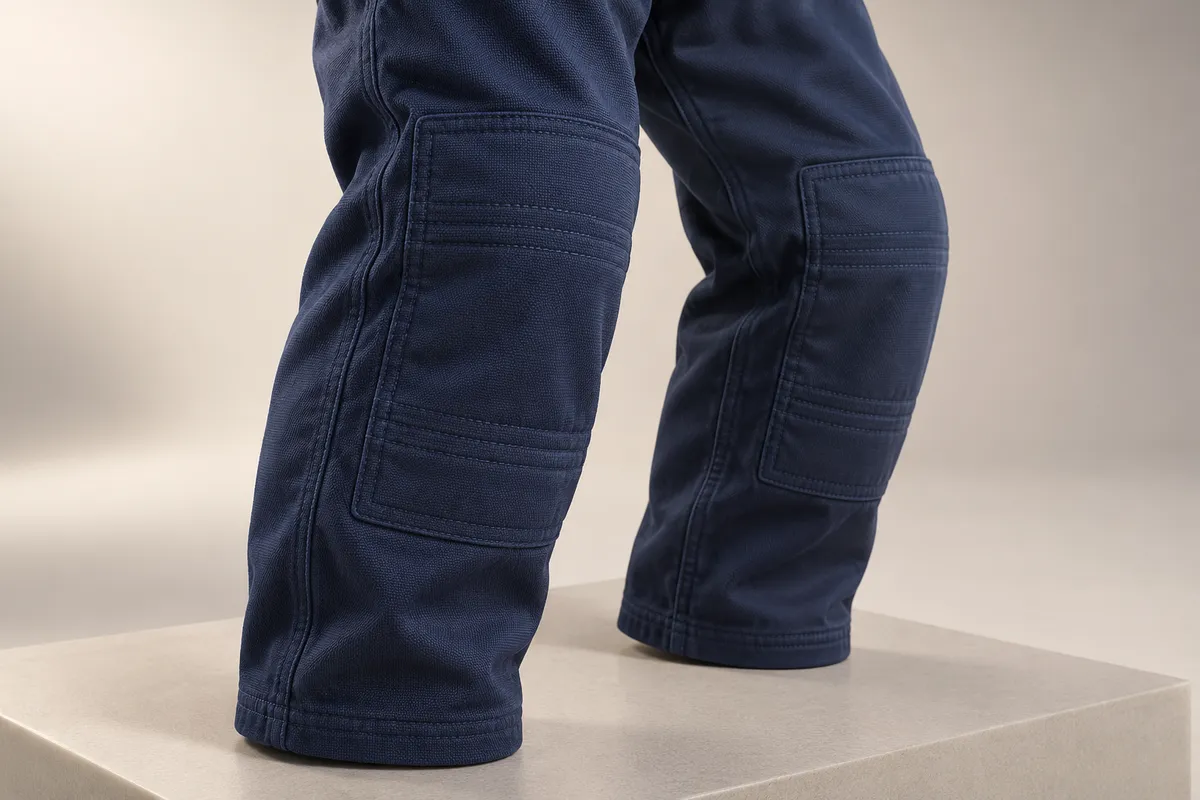
Reinforcement in key areas is one of the main things to compare on Jiu-jitsu pants. The knees and seat are the most vulnerable points, as they endure the most stress during grappling. Reinforcement can come in various forms, such as double-stitching, extra layers of fabric, or specialized panels.
For example, a listing such as the Unisex Replacement gi pants is listed as having full knee reinforcement. In general, reinforcement is added where the knees take the most wear. Additionally, a crotch gusset, a triangular piece of fabric sewn into the crotch area, provides extra flexibility and reduces the risk of splitting.
When choosing replacement pants, look for these reinforcement features that match how often you train. Check the product listing for specific details, as different brands and models may offer varying levels of reinforcement.
Waistbands and drawstrings
The waistband and drawstring of gi pants are essential for a secure and comfortable fit during training. Waistbands come in various styles, each with its own advantages. Common types include elastic waistbands, drawstring waistbands, and hybrid designs that combine both.
Elastic waistbands provide a snug fit and are easy to adjust, making them ideal for quick changes and ensuring the pants stay in place during dynamic movements. Drawstring waistbands, on the other hand, offer more adjustability and can be tightened or loosened as needed. Some pants combine elastic with a rope or cord, so the waist has some stretch and can still be tied.
When selecting replacement pants, consider your personal preference for waistband style. Try on different options to find the one that offers the best balance of comfort and security for your training needs.
How gi pants should fit
Proper fit is crucial for both comfort and performance in BJJ. Ideally, gi pants should fit snugly but not tightly, allowing for a full range of motion without feeling restrictive. The length should end near the ankle, so the hem does not catch your toes or trip you during training.
The fit should also be roomy enough in the seat and knees to accommodate the movements required in BJJ. Pants that are too tight can restrict your movements and lead to discomfort. Conversely, pants that are too loose can be a hindrance and may not provide the necessary support.
It's important to note that rulebooks such as the IBJJF's set minimum lengths for gi pants, so check the current rules to ensure your pants meet competition standards. Additionally, different brands may have varying fit charts, so always refer to the specific brand's sizing guide when purchasing replacement pants.
Mixing jacket and pant sizes
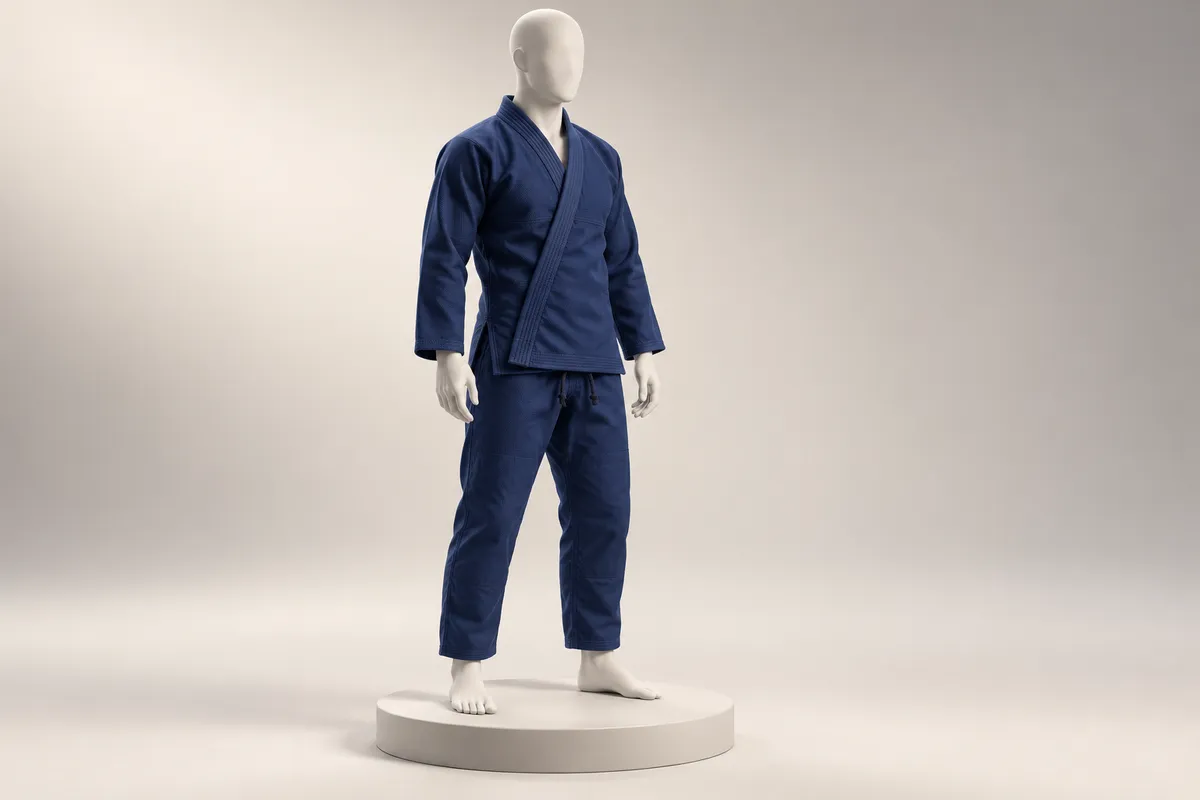
Many BJJ practitioners find that their gi jacket and pants wear out at different rates or that one fits better than the other. In such cases, mixing jacket and pant sizes can be a practical solution. This approach allows you to replace only the part of your gi that needs it, which can help you get a better fit.
When mixing sizes, it's crucial to check the fit of both the jacket and pants separately. Some practitioners prefer a slightly larger jacket for more movement, while others like a tighter fit for a streamlined look. Similarly, pants should fit well in the seat and knees, with the length ending near the ankle.
For custom options, a listing such as the Custom-Fit Replacement gi pants is listed with custom fabric, colour and measurement options. Check the listing for what can be chosen and how measurements are taken.
When buying from different brands, keep in mind that fit charts can vary, so always verify the measurements and sizing guidelines provided by each brand. This will help you make an informed decision and avoid any sizing issues.
Frequently Asked Questions
How should BJJ gi pants fit?
Training pants should fit comfortably with a bit of extra room, especially in the seat and knees. The length should end near the ankle, providing enough material to move freely without being too long. Federation rulebooks such as the IBJJF's set minimum lengths, so check the current rules for compliance. A good fit allows for a full range of motion and should not feel restrictive.
Can you hem BJJ gi pants?
Yes, you can hem gi pants if they are too long. Hemming is a practical solution to ensure the pants are the right length and do not interfere with your movements. When hemming, be careful not to make the pants too short, as this can affect your mobility and may not comply with competition rules. Consider using a simple fold and stitch to maintain a clean and professional look.
Can I buy gi pants and a jacket in different sizes?
Yes, you can buy gi pants and a jacket in different sizes. This is a common practice, especially if the original pants have worn out or if you prefer a different fit. When shopping, check the size charts for both the pants and the jacket, as different brands and styles may vary. It's also a good idea to try on the items if possible or follow a detailed measuring guide to ensure the best fit.
How do you tie BJJ gi pants?
To tie Jiu-jitsu pants, start by pulling the drawstring tight to ensure a snug fit around your waist. Cross the ends of the drawstring in front of your body, then tie them in a secure knot. Some pants have a 6-loop elastic rope waistband, which allows for a more adjustable and comfortable fit. Ensure the knot is secure to prevent the pants from coming loose during training or competition.
Conclusion
Understanding how to choose and care for gi pants is essential for every BJJ practitioner. Whether you are replacing worn-out pants or looking for a better fit, knowing the differences in fabric types, reinforcement areas, and fit standards can help you make an informed decision. Always check the specific brand's size chart and care instructions for the best results with your Training pants.


