


BJJ gi patches usually go on the shoulders, the back panel and the thighs of the pants, and some rule sets also allow small patches on the lower front of the jacket, but events limit where they can sit and what they are made of. Sew them on rather than relying on adhesive, and check your academy's policy and the current federation uniform rules first. Patches can show which academy you train at and add a personal touch to a plain gi. This guide covers where patches usually go, what event rules limit, how to attach them and what to check before you sew.
Key Takeaways
- Usual areas: BJJ gi patches usually sit on the shoulders, the back panel and the pants thighs, away from the collar and lapel edge.
- Sew, do not stick: Sewn patches are generally the most secure for training, while iron-on adhesive can lift at the edges after washing.
- Rules first: Federation uniform rules such as the IBJJF rulebook set where patches go, what they are made of and how they attach.
- Ask the academy: Many academies supply their own patch and say where it goes, so check before adding anything of your own.
- Wash first: Wash a new gi a few times and confirm the fit before you sew, so early shrinkage does not pull the patch out of place.
- Patches can move: A patch can be removed later with a seam ripper, though small stitch marks may remain in the fabric.
Table of Contents
- Why gis carry patches
- Common placement areas
- What event rules usually limit
- Sewing vs iron-on vs embroidery
- Patches on an academy gi
- Before you sew: a checklist
- Frequently Asked Questions
Why gis carry patches
Academies often issue patches to build a sense of identity and team cohesion, making it clear which gym you represent. A patch is a visual sign of affiliation and can lift team spirit at open mats and events. Patches can also mark milestones, such as a promotion or a special event. For a wider look at what can be customised on a gi, see the guide to personalising a jiu jitsu gi.
Many practitioners start with their academy patch, then add personal ones over time. Keep the look tidy: a few well-placed patches read better than a crowded jacket. Plenty of people train in a plain gi with no patches at all, and that is equally normal.
Patches are always optional. If you are unsure, ask your coach what is common at your academy before adding anything.
Common placement areas
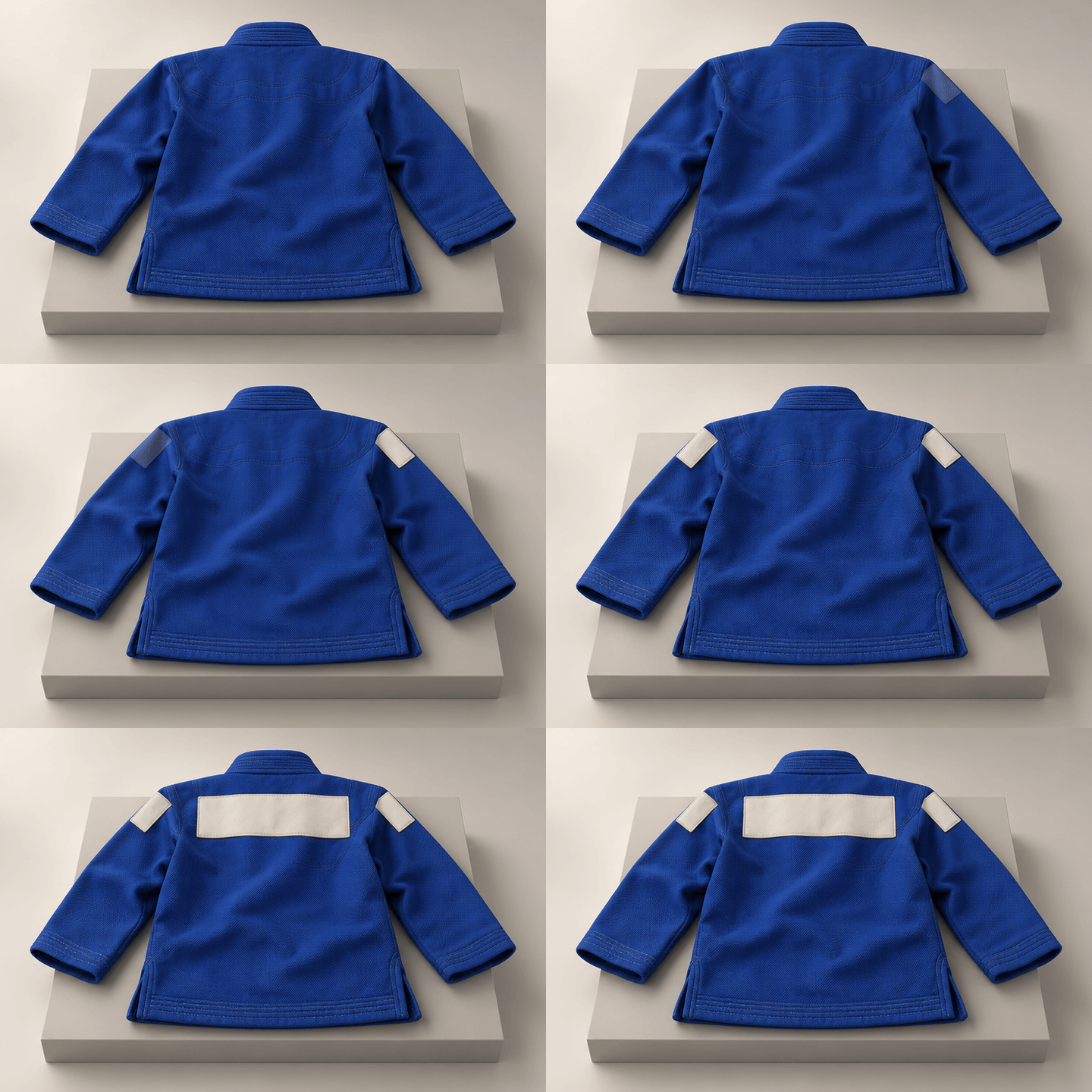
The most common areas are the shoulders and upper arms, where patches are visible and stay out of the way of most grips. The upper back and the lower back panel are also popular, because they offer a large, flat surface. The thighs of the pants are another common spot.
Some rule sets also allow smaller patches on the lower front of the jacket, so check the rules that apply to you. The collar, the lapel edge and the sleeve cuffs are usually kept clear, because they take grips and need to stay flexible. Patches placed close to seams are also harder to sew neatly.
Try the gi on and move around before you decide. A patch that looks right on a flat jacket can sit differently once the belt is tied and your arms are raised.
What event rules usually limit
Federation uniform rules, such as the IBJJF rulebook, set guidelines on where patches can be placed, what they are made of and how they are attached. These rules keep uniforms consistent across competitors. Patches generally need to be securely sewn so they cannot come loose during a match.
Many events run uniform checks before matches. A gi that does not meet the rules may need to be changed before you can compete, which is stressful on the day.
Rules change, so read the current rulebook and any event-specific notes before you compete. If you are unsure, ask the event organiser for clarification well before the event.
Sewing vs iron-on vs embroidery
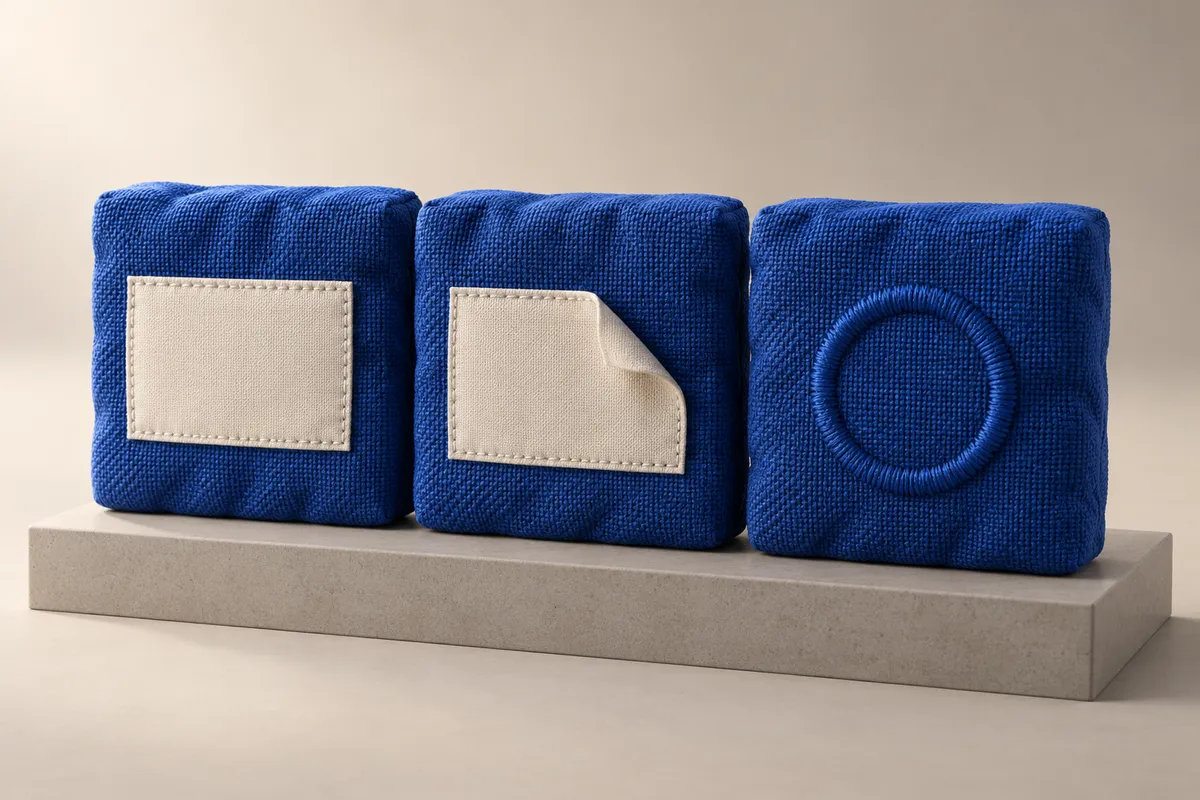
The method you choose affects how well a patch stays in place. Sewn patches are generally the most secure option for regular training, as they are less likely to lift or peel. Iron-on patches are convenient, but the adhesive can lift at the edges after washing, and they are often not accepted at events unless they are also sewn. Embroidery is part of the fabric and gives a flat finish, but placement rules still apply.
Use a strong polyester or cotton thread and stitch around the whole edge of the patch. Keep the stitches small and even so the edge cannot catch fingers or toes. If you do not sew, a local tailor or alteration shop can attach patches for you.
If you notice a patch starting to lift at the edge, stop training in it until it is fixed to prevent further damage. Carefully re-stitch the loose part with matching thread to secure it back in place. While you are at it, check the other edges to make sure they are still firmly attached. Avoid pulling at loose threads, as this can widen the gap and make the repair more difficult.
| Attachment method | How it holds up in general | Event use (check rules) |
|---|---|---|
| Sewn on | Most secure for regular training | Usually expected |
| Iron-on / adhesive | Can lift at edges after washing | Often not accepted unless also sewn |
| Direct embroidery | Part of the fabric | Placement rules still apply |
Patches on an academy gi
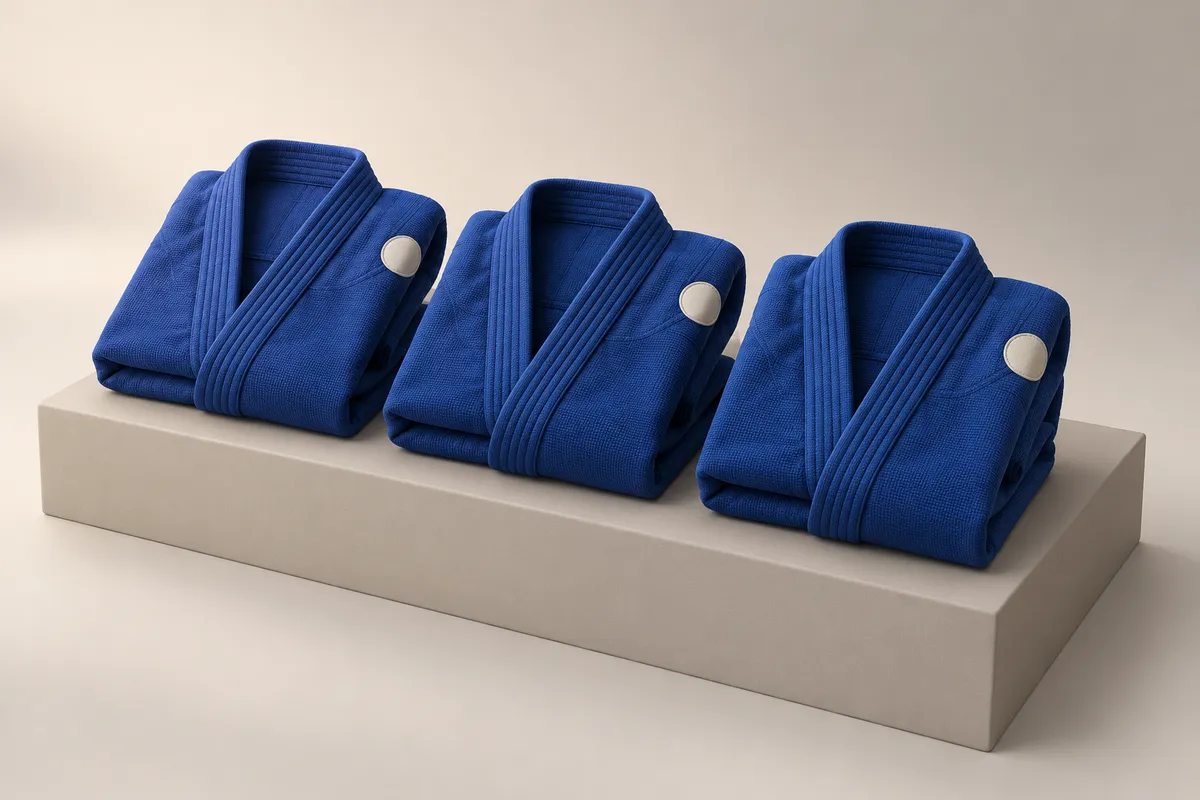
Patch placement on an academy gi often follows the academy's own policy. Some academies supply their own patch or logo and say exactly where it should go, so the team looks consistent. If you are ordering for a group, the academy and club gis range shows the kinds of base gis academies start from.
Some academies order gis with the logo already applied, which removes the need to sew anything. The Custom Academy BJJ Gi with an embroidery theme is listed as a custom academy gi with customisable fabric and finish options. Confirm the details on the listing before deciding.
The Custom Academy BJJ Gi with logo options is listed as a custom gi with custom fabric options. Whichever route you take, follow the academy's guidelines so members' gis match.
Before you sew: a checklist
Work through these steps before you attach a patch:
- Confirm the fit: Wear and wash the gi a few times first. This lets any early shrinkage happen before the patch goes on.
- Check the rulebook: Read the current federation rules on patch areas and materials. Rules change, so do not rely on memory.
- Check academy policy: Ask whether the academy has a set position or a uniform look. Some academies supply their own patch.
- Mark the position: Use pins or tailor's chalk while wearing the gi. Check the mark with your arms raised and the belt tied.
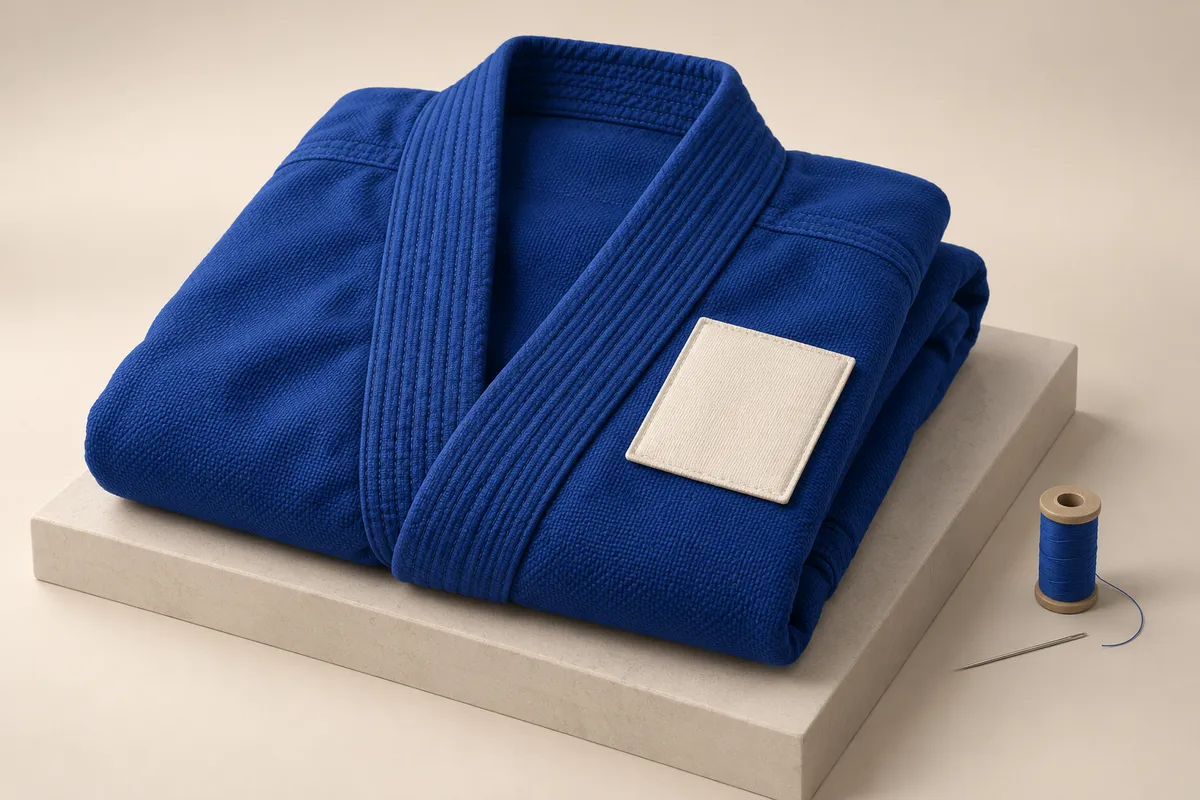
- Sew around the edge: Stitch around the whole edge, never through the collar. Small, even stitches hold best.
- Wash with care: Wash the gi inside out in cold water. This protects both the patch and the fabric.
Following these steps keeps the patch secure and the gi comfortable. It also saves you from unpicking a patch that sits in the wrong place.
Frequently Asked Questions
Where should I put patches on a BJJ gi?
Put patches on the usual areas: the shoulders and upper arms, the back panel and the pants thighs. Some rule sets also allow smaller patches on the lower front of the jacket. Keep the collar, lapel edge and sleeve cuffs clear. Always check the current federation rulebook and your academy's guidelines before you sew. If you plan to compete, also read the event's own notes.
Should I choose embroidery or a patch?
Choose embroidery for a flat, permanent logo and a patch if you may want to change or move it later. Embroidery becomes part of the fabric, while a sewn patch can be unpicked and replaced. Both still need to follow the placement rules of any event you enter. Sewn patches are generally secure for regular training. Ask your academy which it prefers.
Why are gi patches so popular in Brazilian jiu-jitsu?
Gi patches are popular because they let practitioners personalise their gi, show team affiliation and mark milestones. Many academies use patches to give students a shared look. Others simply like the way a patch finishes a plain jacket. Patches remain optional, and many people train without them. The choice is yours and your academy's.
Can I remove or move a patch later?
Yes, you can remove or move a patch with a seam ripper, carefully cutting the stitches from the inside. Small marks or needle holes may remain in the fabric afterwards. Washing the gi first can make the threads easier to lift. Work slowly so you do not cut the gi itself. If you are unsure, a tailor can do it for you.
Conclusion
BJJ gi patches belong on the shoulders, the back panel and the pants thighs, kept clear of the collar and lapel. Sew them on rather than relying on adhesive. Check the current federation rulebook and your academy's policy before you start. Wash and fit the gi first, then mark, sew and wash it cold.


