


Most BJJ gi jackets are woven cotton or a cotton blend. The weave (single, pearl, gold, star, and others) sets the texture and thickness, and GSM, grams per square metre, describes fabric weight. Pants are usually cotton twill or ripstop, chosen to be lighter and to dry faster than the jacket. Understanding BJJ gi material is crucial for making an informed choice that suits your training needs and preferences.
Key Takeaways
- BJJ gi jackets are primarily made of woven cotton or cotton blends, with various weaves affecting texture and thickness.
- GSM (grams per square metre) measures the weight of the fabric, with higher GSM indicating a thicker, heavier material.
- Gi pants are often made of cotton twill or ripstop, chosen for their lightweight and quick-drying properties.
- Preshrunk gis reduce, but do not eliminate, shrinkage, so always follow the care label instructions.
- The collar and reinforcement at stress points are crucial for durability and functionality.
Table of Contents
- What BJJ gis are made of
- Cotton, blends and preshrunk fabric
- The main jacket weaves
- What GSM means
- Gi pant fabrics: twill and ripstop
- Collars and reinforcement
- How to read a gi listing
- Frequently Asked Questions
What BJJ gis are made of
BJJ gis are primarily crafted from cotton or a blend of cotton and polyester. Cotton is prized for its durability, breathability, and comfort, making it a popular choice for training gis. Blends, on the other hand, offer a balance of cotton's comfort with polyester's durability and quick-drying properties. The choice between pure cotton and a blend often comes down to personal preference and specific training conditions.
The jacket and pants of a BJJ gi are made from different materials to optimize performance. Jackets are typically heavier and more durable to withstand the rigors of grappling, while pants are lighter and designed to dry quickly. This combination ensures that the gi remains functional and comfortable throughout your training sessions.
Cotton, blends and preshrunk fabric
Cotton is the traditional material for BJJ gis due to its natural breathability and comfort. However, it can shrink when exposed to heat and drying, which is why many manufacturers offer preshrunk gis. Preshrunk gis are treated to reduce shrinkage, but it's important to note that this process does not eliminate it entirely. Always follow the care label instructions to minimize shrinkage, and read the guide to washing a cotton gi before the first wash.
Blends of cotton and polyester offer a compromise between the benefits of cotton and the durability and quick-drying properties of polyester. These blends are particularly useful for training in humid environments or for practitioners who train frequently and need a gi that can handle frequent washes.
The main jacket weaves
The weave of a BJJ gi jacket significantly affects its texture, thickness, and overall performance. The most common weaves include single, double, pearl, gold, and star weaves. Each weave has its unique characteristics:
- Single Weave: This is the lightest and most breathable weave, making it ideal for frequent training or hot environments. It is less durable compared to other weaves but offers excellent mobility and comfort. Single weave is often used in gis designed for everyday training.
- Double Weave: As the name suggests, this weave is twice as thick as a single weave, providing enhanced durability and thickness. It is a popular choice for competitors and practitioners who train intensively. Double weave is known for its robustness and is often used in high-end competition gis.
- Pearl Weave: This weave has small, rounded raised bumps that look like rows of pearls. It is a popular middle-weight weave that offers a good balance of durability and comfort. Pearl weave is versatile and suitable for both training and competition.
- Gold Weave: This weave is often described as a blend between single and double weave. It is soft and fairly absorbent, making it comfortable for extended training sessions. Gold weave is typically used in mid-range gis that offer a balance of comfort and durability.
- Star Weave: Star weave is a lighter, flatter weave with a small star-shaped texture. It is used for lighter gis, including many lightweight BJJ gis, providing a balance of weight and durability. Star weave is a good choice for practitioners who prefer a lighter gi without sacrificing too much in terms of durability.
These are general traits, and the specific weight and performance can vary depending on the fabric used. Always check the specific listing for the exact characteristics of the gi you are considering.
What GSM means
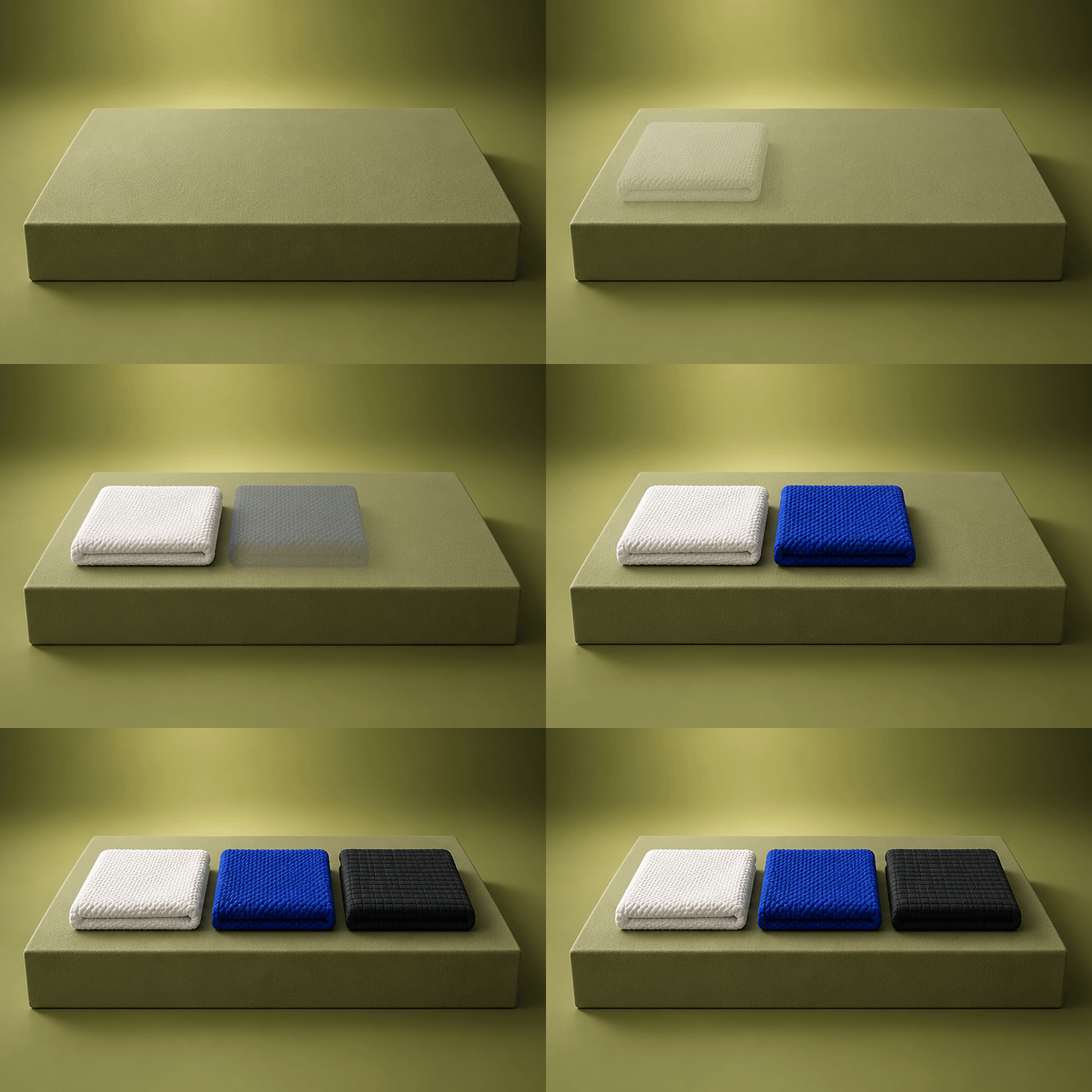
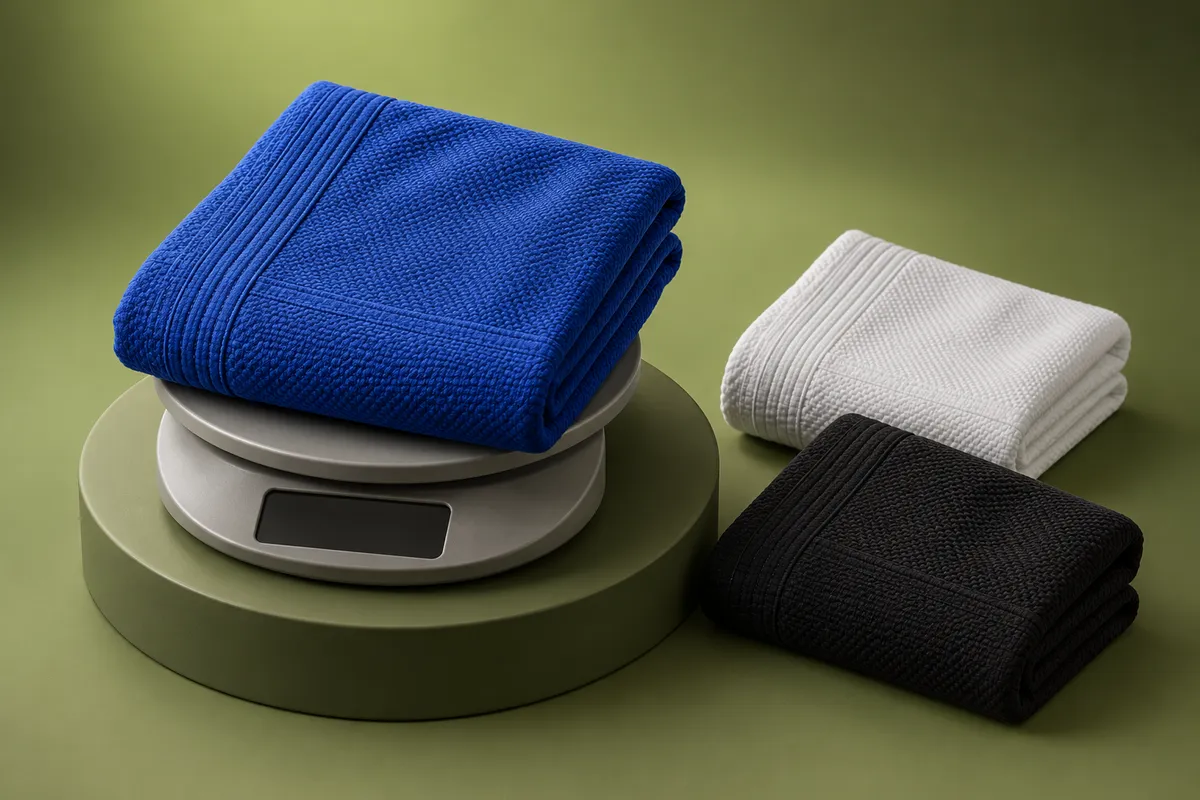
GSM stands for grams per square metre and is a measure of the weight of the fabric. Higher GSM indicates a thicker, heavier material, which is generally more durable and can be suitable for intensive training or competition, depending on the event rules. Lower GSM suggests a lighter, more breathable fabric, ideal for frequent training or hot environments.
It's important to note that different brands may measure and round GSM differently, so these numbers should be compared loosely across brands. For example, the Daily Training BJJ Gi is listed as a 400 GSM pearl weave jacket, while the Ultralight Travel BJJ Gi is listed as having 8 oz ripstop pants. The GSM helps you understand the weight and thickness of the material, but always check the listing and care label for specific details.
GSM is a useful metric, but it is not the weight of the entire gi, which is why how much a whole gi weighs is a separate question. It measures the weight of the fabric per square metre, which helps you gauge the thickness and durability of the material. For pants, the weight is often given in ounces per square yard (oz). This measurement is particularly useful for understanding the weight and performance of the pants, which are often made of different materials than the jacket.
Gi pant fabrics: twill and ripstop
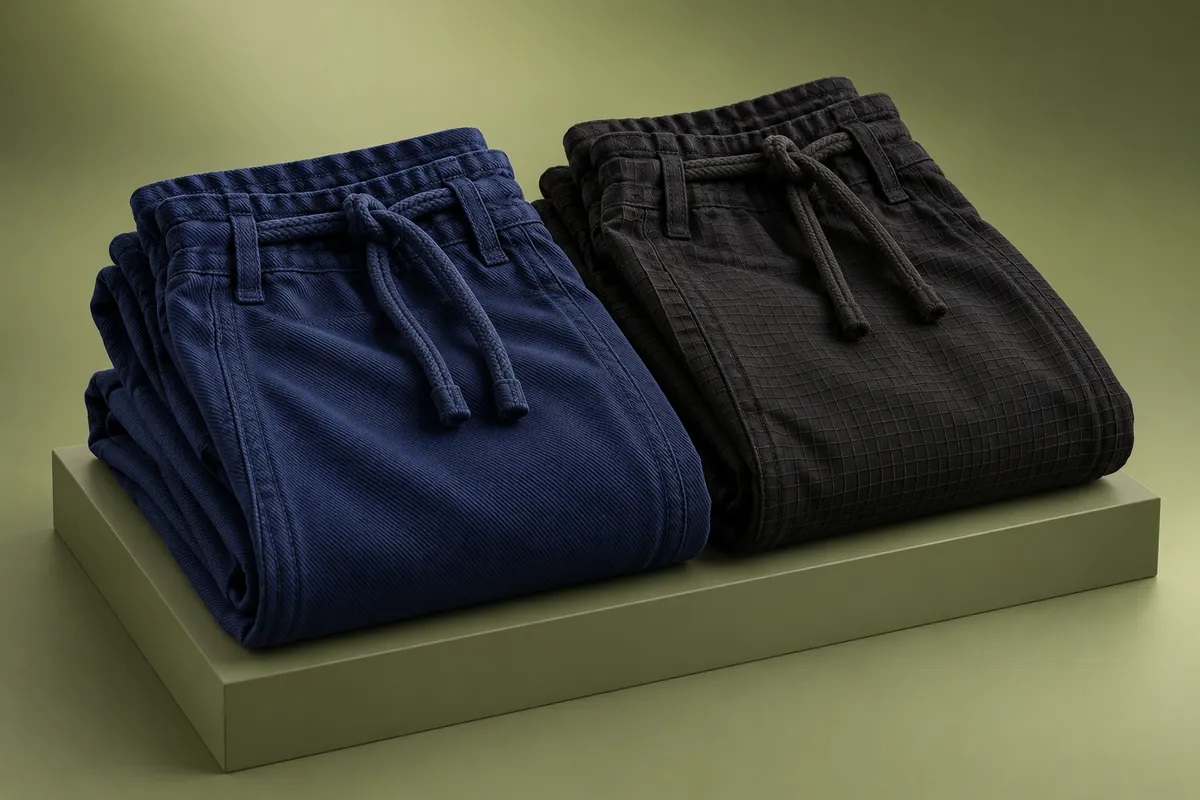
BJJ gi pants are often made of different materials than the jacket to optimize performance. The two most common fabrics used for gi pants are cotton twill and ripstop:
- Cotton Twill: This fabric is known for its durability and comfort. It is slightly heavier and more durable than ripstop, making it a popular choice for training gis. The All-Around BJJ Gi is listed as having cotton twill pants.
- Ripstop: Designed to be lightweight and quick-drying, ripstop is a weave with a reinforcing grid of thicker threads that stops small tears from spreading. It can be made from cotton, a cotton-polyester blend, or polyester. Ripstop is ideal for travel and lightweight gis, as it provides excellent mobility and comfort. The Ultralight Travel BJJ Gi is listed as having 8 oz ripstop pants.
The choice between twill and ripstop depends on your training environment and personal preferences. Twill is generally more durable and comfortable for regular training, while ripstop is lighter and dries faster, making it ideal for travel and hot environments.
Collars and reinforcement
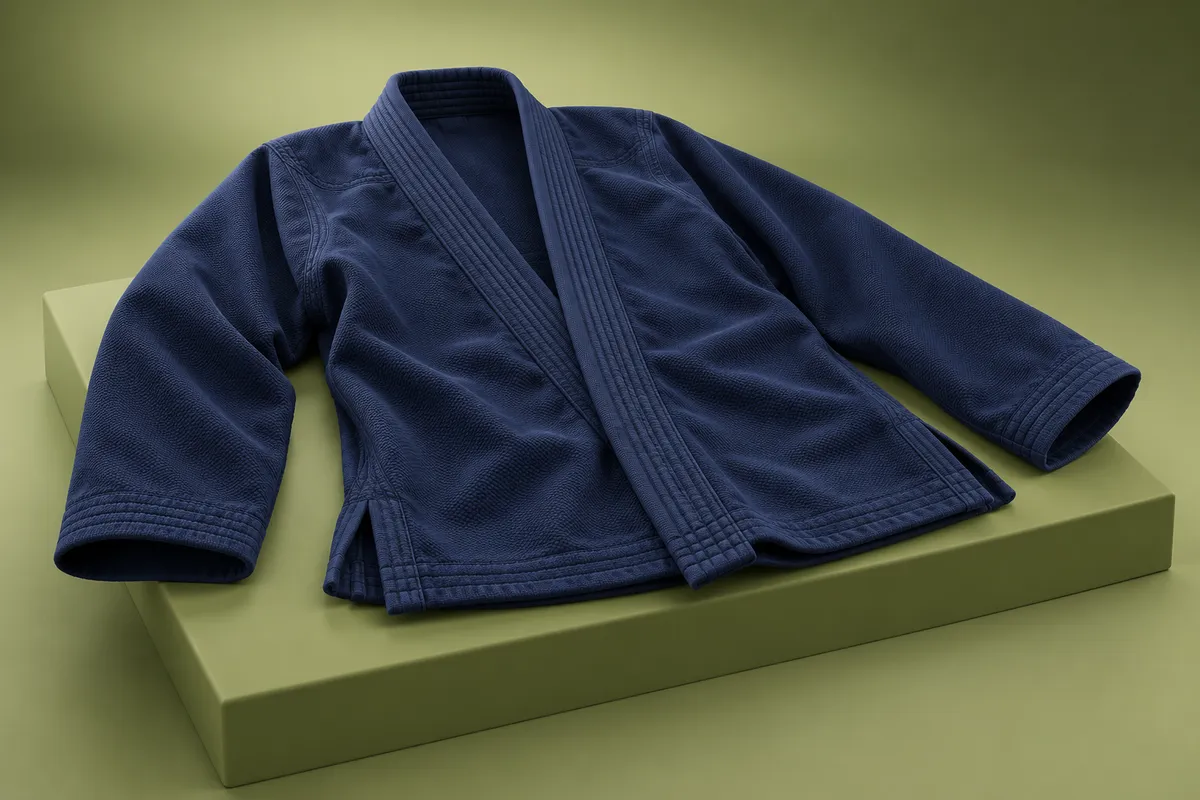
The collar and reinforcement at stress points are crucial components of a BJJ gi, contributing to its durability and functionality. The collar, often thick and stitched, can include an EVA foam or rubber core to maintain its shape and provide a secure grip. Reinforcement at stress points, such as the sleeves, legs, and crotch, ensures that the gi can withstand the rigors of grappling and frequent washing.
These features are essential for maintaining the integrity of the gi and extending its lifespan. When choosing a gi, consider the quality and construction of the collar and reinforcement, as these elements can significantly impact the gi's performance and durability. A well-reinforced collar, for instance, can prevent it from stretching out and losing its shape over time, which is crucial for maintaining a secure grip during training and competition.
How to read a gi listing
Understanding how to read a gi listing is crucial for making an informed purchase. Here’s a breakdown of what to look for:
- Material and Weave: The listing will specify the material (cotton, blend) and weave (single, double, pearl, gold, star) of the jacket. For example, the Daily Training BJJ Gi is listed as a 400 GSM pearl weave jacket.
- Fabric Weight: GSM (grams per square metre) and oz (ounces per square yard) are used to describe the weight of the fabric. The Ultralight Travel BJJ Gi is listed as a 275 GSM star weave jacket, while the Replacement BJJ Gi Pants are listed as 12 oz ripstop.
- Pant Fabric: The listing will also specify the material of the pants (cotton twill, ripstop). The All-Around BJJ Gi is listed as having cotton twill pants.
- Care Instructions: Always check the care label for specific washing and drying instructions to minimize shrinkage and extend the life of your gi.
By understanding these elements, you can make a more informed decision when choosing a BJJ gi that meets your specific needs and preferences.
Frequently Asked Questions
What are the material weights for a BJJ gi?
The material weight of a BJJ gi is measured in GSM (grams per square metre) for the jacket and oz (ounces per square yard) for the pants. Higher GSM indicates a thicker, heavier material, which can be suitable for intensive training or competition, depending on the event rules. Lower GSM suggests a lighter, more breathable fabric for frequent training or hot environments. For example, the Daily Training BJJ Gi is listed as a 400 GSM pearl weave jacket, and the Ultralight Travel BJJ Gi is listed as having 8 oz ripstop pants.
What GSM gi is best?
The best GSM for a BJJ gi depends on your training needs and preferences. Lighter and heavier jackets suit different needs, and brands measure GSM differently. A higher GSM is generally more durable and can be suitable for intensive training or competition, while a lower GSM is lighter and more breathable, ideal for frequent training or hot environments. Always compare listings and check your academy and event rules to ensure the GSM of your gi meets the required standards.
How do I stop my gi from shrinking?
To prevent your BJJ gi from shrinking, follow the care label instructions carefully. Wash the gi in cold water and avoid using high heat when drying. Preshrunk gis are treated to reduce shrinkage, but they can still shrink to some extent. Air drying is the best option to maintain the size and shape of your gi.
What is the best BJJ gi material?
The best BJJ gi material depends on your specific needs and preferences. Pure cotton is highly breathable and comfortable, making it ideal for regular training, while cotton blends offer a balance of comfort and durability. For a lightweight and quick-drying option, especially for travel or hot environments, consider ripstop pants such as the Replacement BJJ Gi Pants, listed as 12 oz ripstop. Always check the listing and care label to ensure the material meets your requirements.
Conclusion
Understanding BJJ gi material is essential for making an informed choice that suits your training needs and preferences. Whether you prefer the comfort and breathability of cotton or the durability and quick-drying properties of a blend, knowing the characteristics of different weaves, GSM, and pant fabrics will help you select the right gi. Always follow the care label instructions to minimize shrinkage and extend the life of your gi.


