


How much does a gi weigh? A BJJ gi's weight varies with its weave, pant fabric and size, so lighter and heavier gis can differ noticeably on the scale. GSM on a label describes the fabric's weight per square metre, not the whole gi. The reliable answer is to weigh your own gi, dry, before any weigh-in.
Key Takeaways
- Gi Weight Variability: BJJ gi weight varies by brand, weave, pant fabric, and size. Weigh your own gi for the most accurate measurement.
- GSM Explained: GSM on a label refers to the fabric's weight per square metre, not the entire gi's weight.
- Weighing Your Gi: Use a kitchen or bathroom scale to weigh your dry gi, including jacket, pants, and belt, for precise planning.
- Weigh-In Considerations: Check the specific rules of your competition to know when and how to weigh in.
- Lightweight Options: Choosing a lighter gi can help manage your overall weight, especially for weigh-ins.
Table of Contents
- How much a BJJ gi weighs
- What GSM on a label means
- Why jacket, pants and size all matter
- How to weigh your own gi
- Gi weight and weigh-ins
- Choosing a lighter gi
- Frequently Asked Questions
How much a BJJ gi weighs
The weight of a BJJ gi can vary widely due to several factors, making it difficult to pinpoint a single number that fits all gis. Factors such as the weave of the jacket, the material of the pants, and the size of the gi all play significant roles in determining its overall weight. While some brands may list specific GSM (grams per square metre) values or fabric types, these details primarily describe the material's density and quality, not the total weight of the garment.
For instance, a gi with a single weave jacket and ripstop pants will generally be lighter than one with a double weave jacket and heavier cotton pants. Similarly, a gi designed for lightweight travel will usually weigh less than a heavy training gi. The best way to get an accurate weight for your specific gi is to weigh it yourself using a reliable scale.
What GSM on a label means
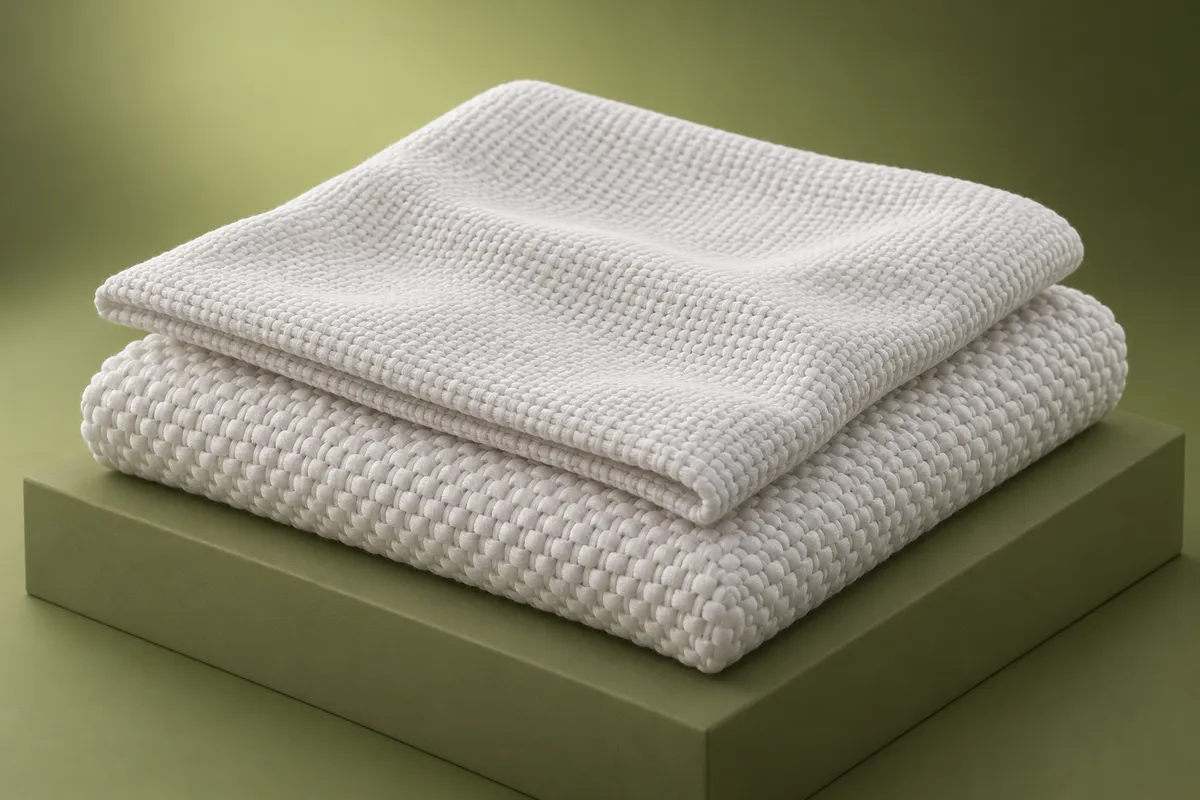
GSM, or grams per square metre, is a measurement used to describe the weight and density of the fabric used in a BJJ gi. It indicates how many grams of material are used per square metre of fabric. This metric is useful for understanding the quality and durability of the gi, but it does not directly tell you the total weight of the entire garment.
For example, a gi listed as a 275 GSM jacket with 10 oz ripstop pants indicates that the jacket fabric weighs 275 grams per square metre, and the pants fabric weighs 10 ounces per square yard. These values help you gauge the gi's thickness and potential durability, but they do not add up to the total weight of the gi. To find the actual weight, you need to weigh the gi as a whole.
Why jacket, pants and size all matter
The weight of a BJJ gi is influenced by the materials used for the jacket and pants, as well as the size of the gi. The jacket, being the most substantial part of the gi, typically contributes the most to its overall weight. Different weaves, such as single weave, pearl weave, and gold weave, have varying densities and thicknesses, which affect the weight. Single weave gis tend to be lighter and more breathable, while heavier weaves like double weave offer more durability and can be significantly heavier.
The pants also play a crucial role in the gi's weight. Materials like ripstop are lighter and more durable, while traditional cotton pants are heavier but offer more comfort and flexibility. The size of the gi is another important factor. Larger sizes naturally use more fabric and thus weigh more than smaller sizes. This variability means that two gis of the same brand and weave can still have different weights if they are different sizes.
By understanding these factors, you can better anticipate the weight of your gi and make informed decisions when choosing or preparing for a competition.
How to weigh your own gi
Weighing your own BJJ gi is a straightforward process that ensures you have an accurate understanding of its weight. Here’s how to do it:
- Prepare Your Gi: Ensure your gi is completely dry. Wet or damp fabric can add significant weight, skewing your measurements.
- Use a Scale: Use a reliable kitchen or bathroom scale. Place the scale on a flat, stable surface.
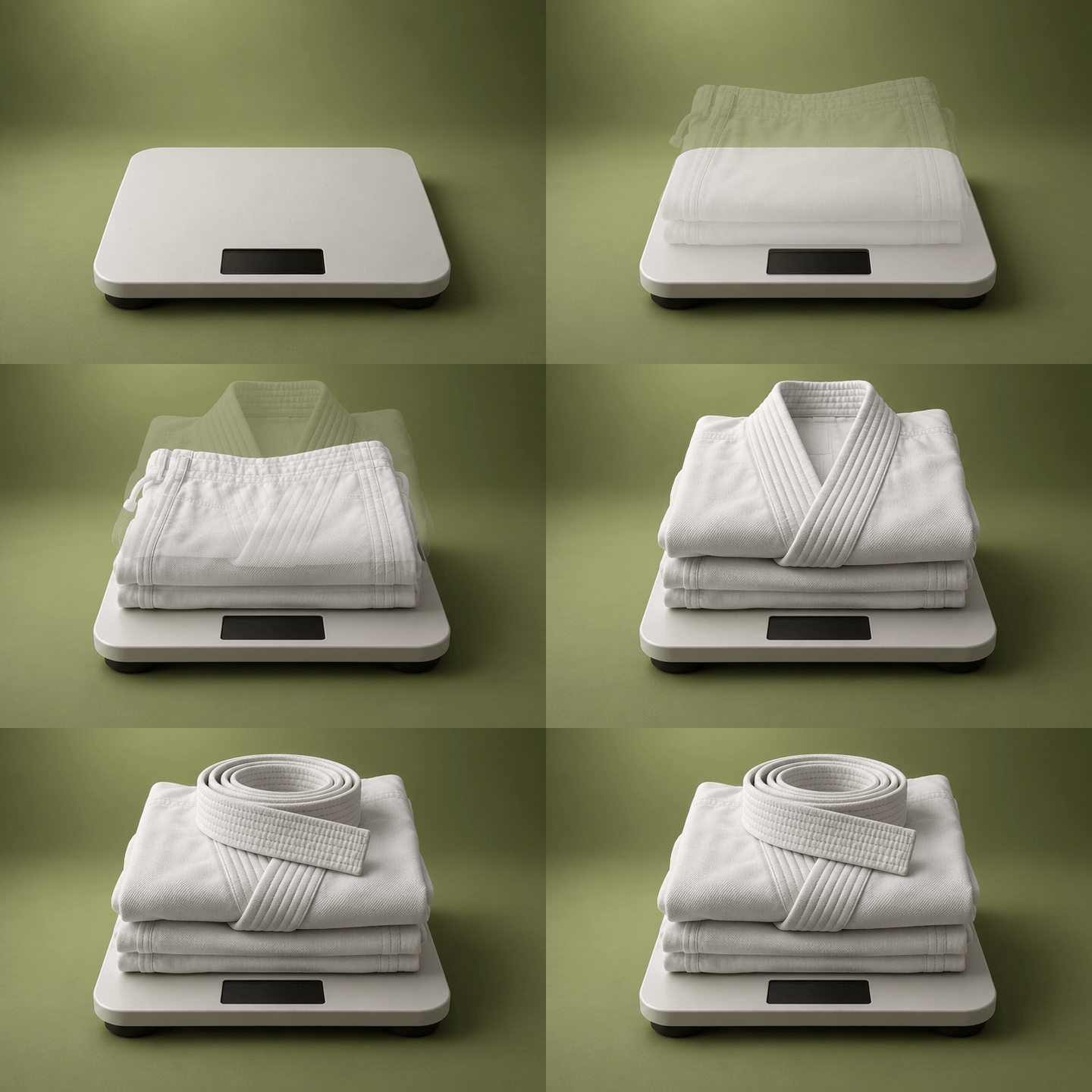
- Weigh Yourself: Step on the scale and note your weight. Then, put on your gi (jacket, pants, and belt) and weigh yourself again.
- Calculate the Difference: Subtract your initial weight from your weight with the gi to determine the gi’s weight.
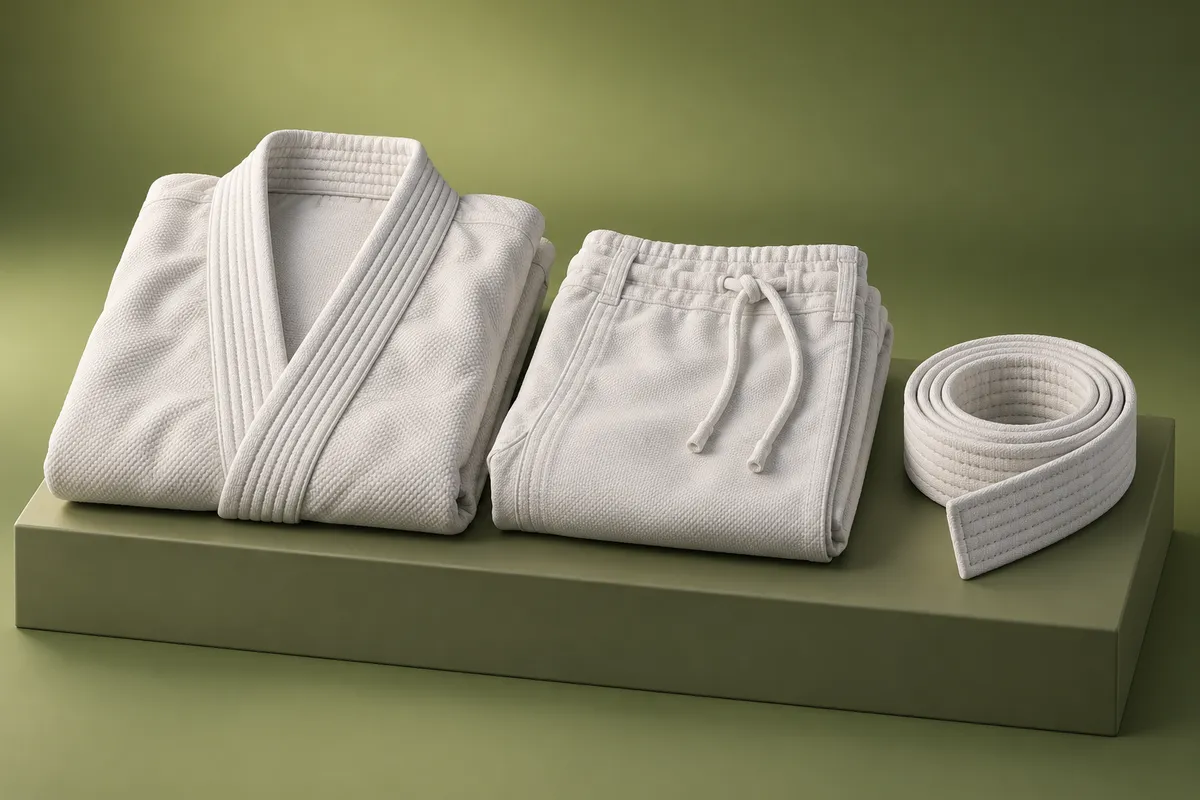
- Note the Components: For more detailed planning, weigh the jacket, pants, and belt separately and note each weight.
A wet or sweaty gi can add several ounces to its dry weight, which is important to consider for weigh-ins and training sessions.
Gi weight and weigh-ins
When preparing for a BJJ competition, understanding the weight of your gi is crucial, especially for weigh-ins. The International Brazilian Jiu-Jitsu Federation (IBJJF) has specific rules regarding weigh-ins, but the rules can vary by event. Always check the current rulebook for the specific event you are attending.
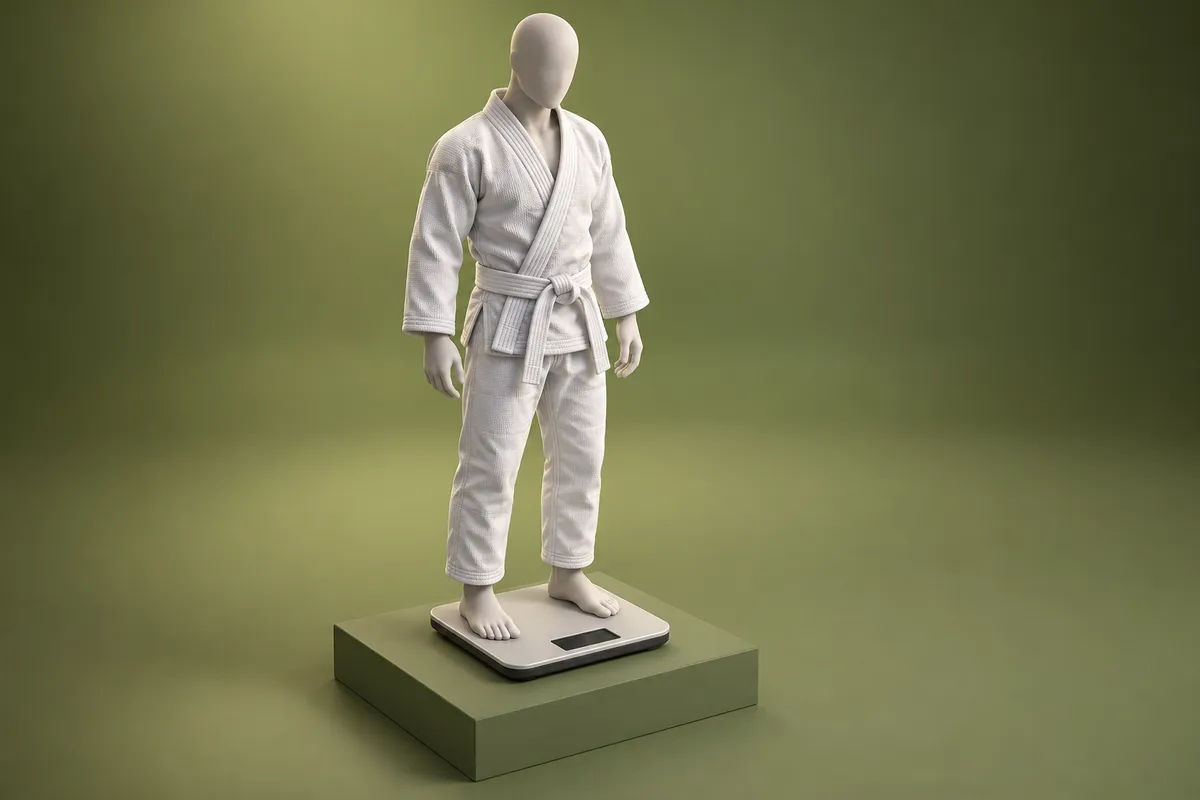
One common question is whether you weigh in with your gi on. Many gi events weigh competitors in their gi, while others weigh without it, so read the current rulebook for your event, including the IBJJF's if you enter one of its events.
The weight of your gi can significantly impact your total weight on the scale. A lighter gi can help you stay closer to your weight class, which is particularly important if you are near the upper limit of your category. Weighing your gi beforehand can help you plan your hydration and diet strategies more effectively.
Choosing a lighter gi
If you are looking to reduce the weight of your gi, there are a few options to consider. The weight of a gi is influenced by its fabric, weave, and construction. Here are some tips to help you choose a lighter gi:
First, consider the GSM (grams per square meter) of the gi. A lower GSM indicates a lighter fabric. For example, the Ultralight Travel BJJ Gi is listed as a 275 GSM jacket with 10 oz ripstop pants.
Second, look at the weave type. Different weaves can affect the weight and performance of the gi. For instance, a single weave is usually the lightest, while a pearl weave can still feel fairly light. The Lightweight BJJ Gi in pearl weave is listed as a 380 GSM pearl weave jacket with 270 GSM ripstop pants.
Third, consider the size of the gi. Larger sizes naturally weigh more, so opting for a size that fits you well without excess material can help reduce the overall weight.
Finally, think about the pants. The fabric used for the pants can also affect the total weight. Ripstop pants are generally lighter and more durable, making them a good choice for a lighter gi. By choosing a gi with lighter pants, you can shave off a few ounces, which can make a difference during weigh-ins.
By considering these factors, you can select a gi that meets your needs and helps you maintain your weight class more effectively.
Frequently Asked Questions
How much does a gi weigh in kg?
The weight of a BJJ gi can vary significantly depending on the brand, weave, and size. There is no single number that applies to all gis. To get an accurate weight, weigh your own gi using a kitchen or bathroom scale. This will give you the most reliable measurement for your specific uniform.
Do you weigh in with your gi on at IBJJF events?
It depends on the event, and many gi events weigh you in your gi. If so, the weight of your jacket, pants and belt counts toward your total, so check the current IBJJF rulebook or your event's rules. It's important to account for this when planning your weight for the competition. Always check the specific rules and guidelines of the event you are attending to ensure you are prepared.
When do you weigh in at BJJ competitions?
The timing of weigh-ins can vary depending on the competition. Some events weigh competitors the day before, others on the day or just before the first match. It's crucial to check the event's official schedule and rules to know the exact time and location of the weigh-in. Proper planning can help you avoid any last-minute issues.
What counts as a lightweight BJJ gi?
A lightweight BJJ gi is generally one that is made from lighter materials, such as a thin single or light pearl weave jacket with ripstop pants. Brands may list different GSM and fabric weight specifications, so it's best to review the product details and weigh your gi to get a precise measurement. Choosing a lighter gi can be beneficial for weigh-in preparation and overall comfort during training and competition.
Conclusion
Knowing how much a gi weighs is useful for BJJ practitioners, especially when preparing for weigh-ins. The weight of a gi can vary based on its construction, materials, and size, so the best way to know is to weigh your own gi. By following the steps outlined and choosing a lighter gi if needed, you can better manage your weight for competitions and training.


