


A BJJ competition gi needs to follow your event's rulebook, which usually covers colour, sleeve and pant length, lapel thickness, patches and condition. Many competitors pick a lighter gi to help with weigh-ins. Read the event's current rules, check your gi against them a week early, and pack a spare.
Key Takeaways
- Gi Colour: Check the event's rulebook for allowed colours.
- Sleeve and Pant Length: Measure your gi a week before the event to ensure compliance.
- Patches: Verify allowed patch areas and sizes in the rulebook.
- Condition: Inspect your gi for any tears or loose stitching; bring a spare.
- Weigh-ins: Know if you weigh in with the gi on and plan accordingly.
Table of Contents
- What makes a gi competition-ready
- Check the event's rulebook first
- Colour and patches
- Fit, length and condition
- Weigh-ins and gi weight
- Training gi or a dedicated competition gi?
- Tournament-day packing list
- Frequently Asked Questions
What makes a gi competition-ready
A BJJ competition gi is more than just a uniform; it's a critical part of your performance. Unlike a training gi, a competition gi must meet specific standards set by the event organizers. These standards ensure fairness, safety, and uniformity among competitors. The key aspects of a competition-ready gi include its colour, fit, length, condition, and any additional features like patches. By adhering to these guidelines, you can avoid disqualification and focus on your performance.
Competition gis are often made from lighter materials. The weave type, such as pearl weave, can affect the gi's weight and comfort. Additionally, the gi's construction, including the thickness of the lapel and the reinforcement of seams, can impact its durability and compliance with event rules. It's crucial to choose a gi that not only meets the technical requirements but also feels comfortable and allows for a full range of motion.
Check the event's rulebook first
| What events commonly check | Where to confirm | What to do in general |
|---|---|---|
| Gi colour | The event's rulebook | Pick a colour the rulebook lists |
| Sleeve and pant length | The event's rulebook and inspection table | Try the gi on with arms extended a week early |
| Patches | The event's rulebook | Check allowed areas |
| Condition | Inspection table | No tears or loose stitching; pack a spare |
| Weigh-in | The event's weigh-in rules | Know whether you weigh in with the gi on |
Before you step onto the mat, it's essential to familiarize yourself with the specific rules of the event you're competing in. Each tournament may have its own set of guidelines, so always refer to the current rulebook. This document will outline everything from gi colour to patch placement and condition requirements. By checking these rules early, you can ensure that your gi meets all the necessary standards and avoid any last-minute surprises.
One of the most common areas of confusion is the gi colour. Many rulebooks list white, blue, and black as acceptable colours, but it's important to verify the specific rules of your event. Some events may have additional restrictions or preferences, so always double-check. Similarly, the placement and size of patches can vary, so review the rulebook for any specific guidelines.
Colour and patches
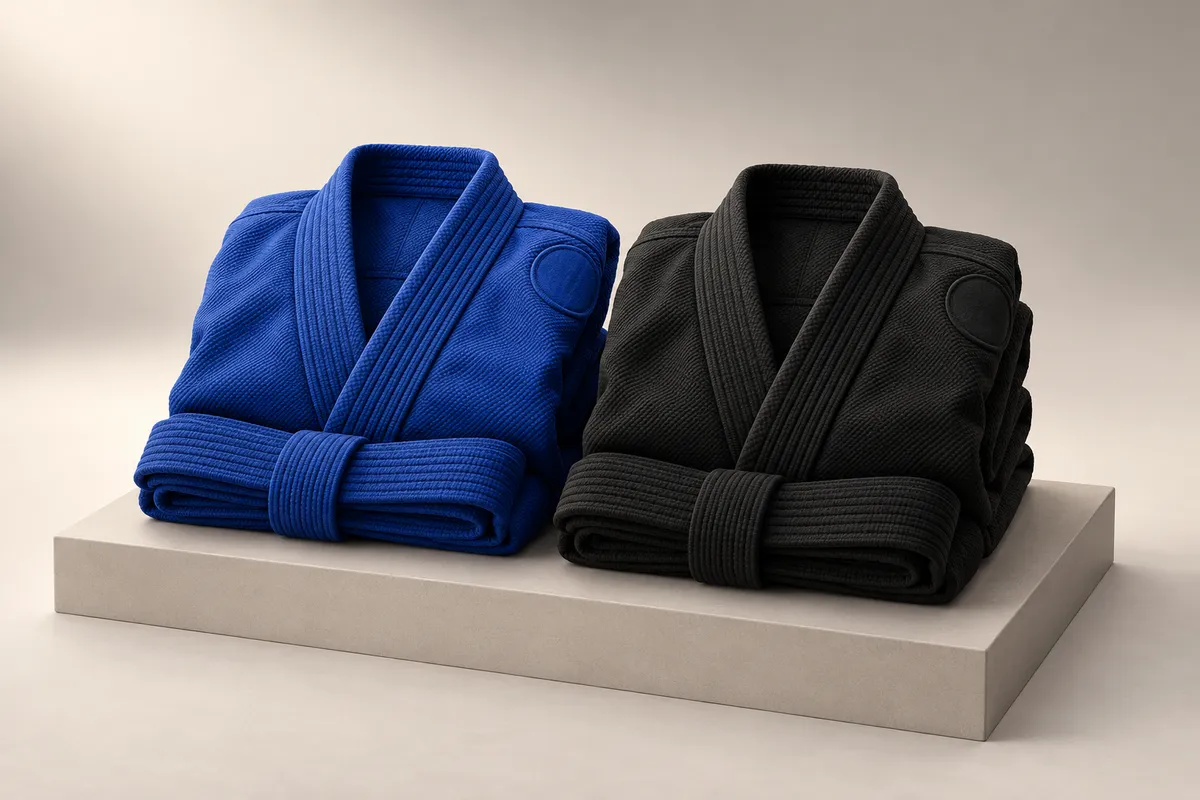
Choosing the right colour for your BJJ competition gi is crucial. While many events allow white, blue, and black gis, it's important to consult the event's rulebook for any specific colour restrictions. For example, some tournaments may not allow certain colours or may have specific preferences. Always verify the allowed colours to ensure compliance.
Patches are another important consideration. Many events allow patches on specific areas of the gi, such as the shoulders, back and pants. The rulebook will typically outline the size and placement of these patches. It's important to adhere to these guidelines to avoid any issues during the uniform inspection. Some events may have additional rules regarding the content of the patches, such as logos or sponsor information, so be sure to check these details as well.
Lastly, the condition of your gi is just as important as its colour and patches. Ensure that your gi is free of any tears, loose stitching, or other damage that could compromise its integrity. A well-maintained gi not only looks professional but also ensures that you are not disqualified for uniform issues. Consider bringing a spare gi to the tournament in case of any unforeseen problems.
Fit, length and condition
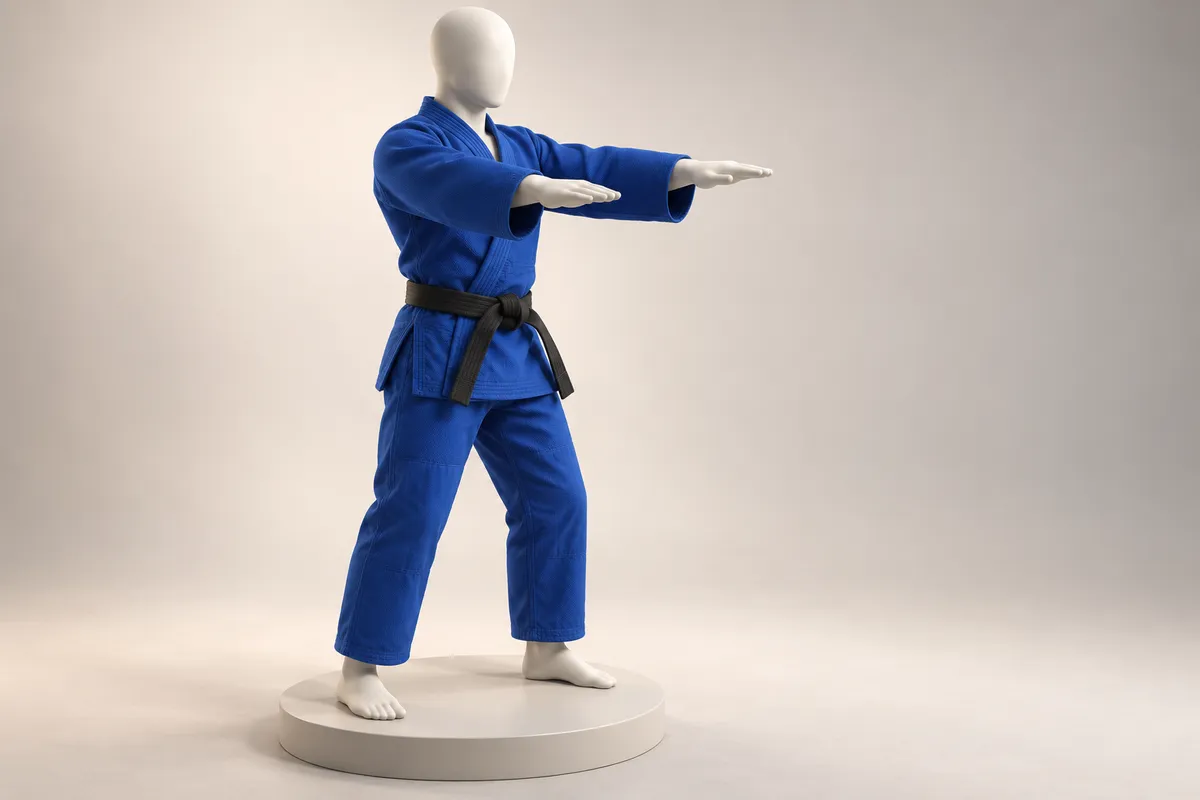
A competition gi must fit you well and adhere to the specific measurements outlined in the event's rulebook. The sleeves and pants should not be too long or too short, and the lapel thickness must meet the requirements. Many rulebooks, such as the IBJJF's, set minimum sleeve and pant lengths, so check how the current rulebook describes them. To ensure compliance, try on your gi with your arms extended a week before the tournament. This gives you time to make any necessary adjustments or order a new one if needed.
The condition of your gi is just as important as its fit. Inspect your gi for any tears, loose stitching, or fraying material. These issues can lead to disqualification or a penalty during the uniform inspection. Many events have a dedicated inspection table where you can check your gi before the competition. If you find any issues, it’s a good idea to have a spare gi on hand to replace the damaged one. This ensures you’re always ready to compete without any unexpected issues.
Weigh-ins and gi weight
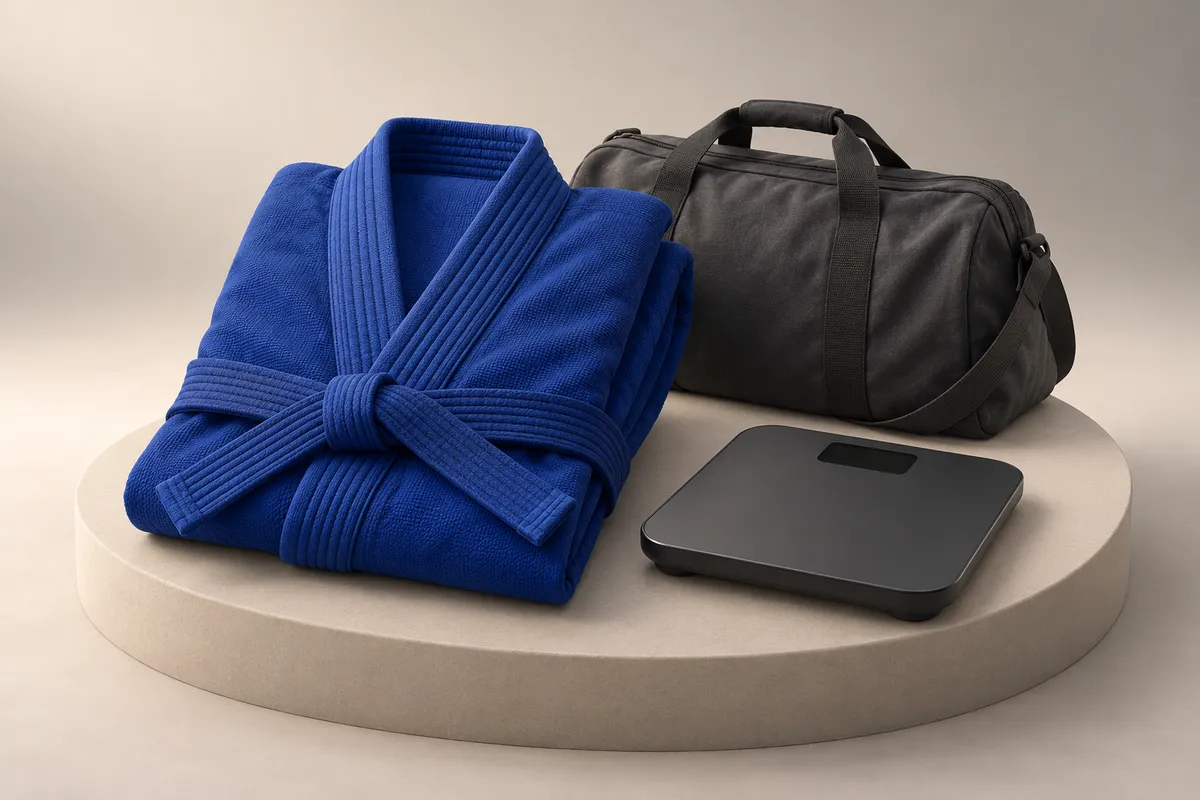
Weigh-ins are an essential part of BJJ competitions, and the weight of your gi can significantly impact your weigh-in. Many events have specific rules about whether you weigh in with the gi on or off, so it’s crucial to check the event’s weigh-in rules well in advance. If you weigh in with the gi on, a lighter gi can help you stay within the weight limits. A lighter gi can help in these situations.
On the other hand, some events require you to weigh in without the gi. In such cases, the weight of your gi is less critical, but a lighter gi can still be beneficial for comfort and performance during the competition. Always check the specific rules of your event to ensure you’re prepared. If you’re unsure, it’s a good idea to have a lightweight gi as a backup, just in case.
Training gi or a dedicated competition gi?
Choosing between a training gi and a dedicated competition gi depends on several factors, including your budget, personal preference, and the specific rules of the event. Training gis are typically more durable and can handle the wear and tear of daily practice. They are often heavier and made with thicker materials, which can be beneficial for regular training but might be a disadvantage during weigh-ins.
Dedicated competition gis, on the other hand, are designed to meet the specific requirements of tournaments. They are often lighter. A listing such as the Lightweight Competition BJJ Gi with contrast stitch is listed as a 350g pearl weave jacket with triple-reinforced ripstop pants; check the event's rules yourself. A lighter gi may wear sooner than a heavy training gi, so many people keep it for event days.
Consider your needs and the rules of the event when making your decision. If you frequently compete, a dedicated lighter gi can make sense. A listing such as the Lightweight Competition BJJ Gi in 380 GSM pearl weave is listed as a 380 GSM pearl weave jacket with 10 oz ripstop pants; check the event's rules yourself. If you’re on a budget or only compete occasionally, a high-quality training gi that meets the event’s requirements can be a practical alternative. Always check the event’s rules yourself to ensure your gi is competition-ready.
Tournament-day packing list
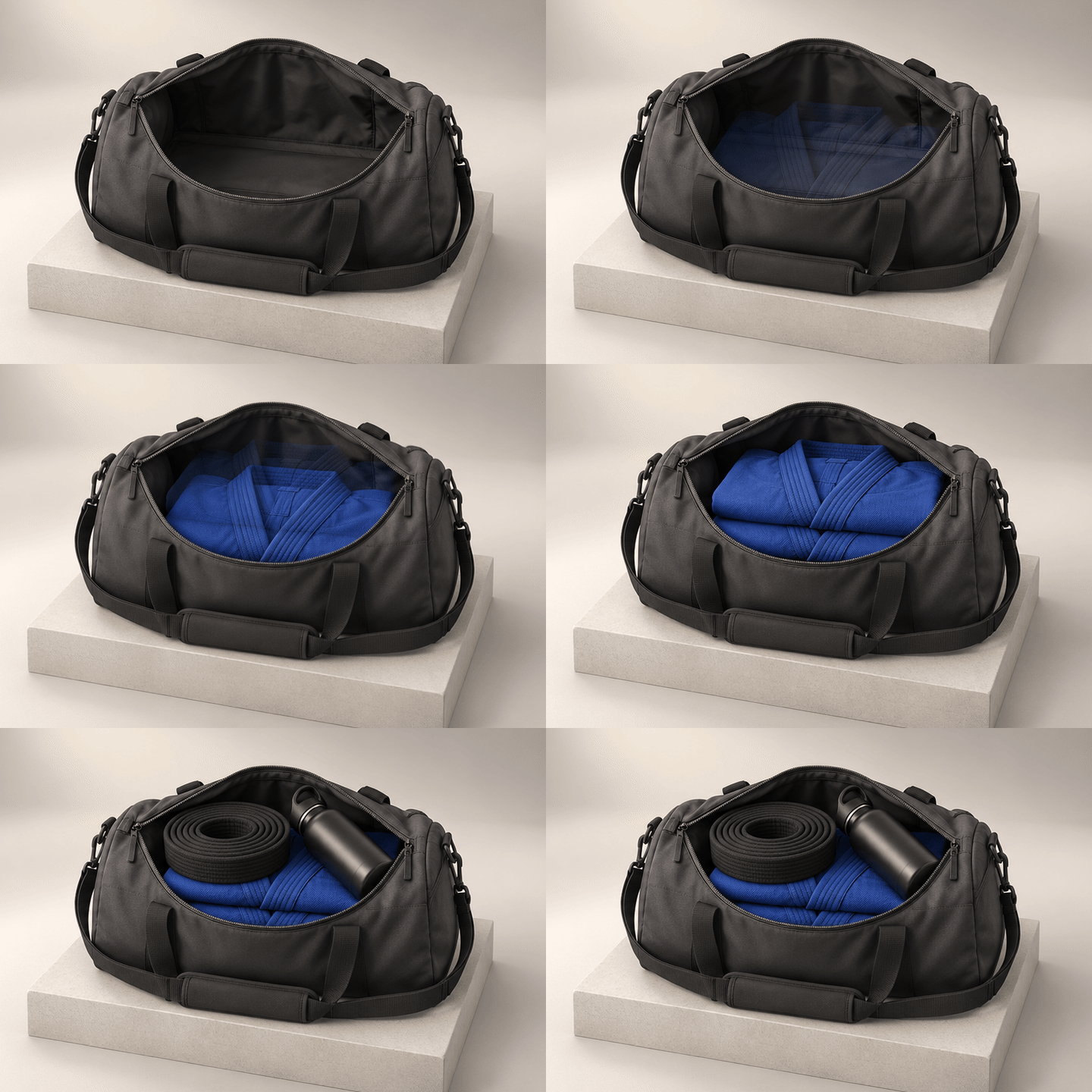
- Your competition gi
- A spare gi
- A clean belt
- A mouthguard
- Ear protection (if required)
- Sandals or flip-flops
- A water bottle
Packing a comprehensive kit is essential to ensure you’re fully prepared for the tournament. Having a spare gi and a clean belt can save you from unexpected issues, such as a damaged gi or a lost belt. A mouthguard and ear protection are crucial for safety, especially in full-contact events. Sandals keep your feet clean around the venue, and a water bottle keeps you hydrated throughout the day. Taking the time to pack these items in advance can help you stay focused and perform your best during the competition.
Frequently Asked Questions
What colour gi should I wear for a BJJ competition?
Many rulebooks list white, blue, and black gis as acceptable colours for BJJ competitions. Always check the specific event's rulebook to confirm the allowed colours. If you're unsure, a white gi is widely accepted, but still check the rules. Some events may have specific restrictions or preferences, so it's best to verify in advance to avoid any last-minute issues.
Are lightweight gis allowed in competition?
Many events allow lightweight gis in BJJ competitions. Many competitors opt for a lightweight gi to help with weigh-ins, as they can reduce the total weight they need to carry. However, the specific rules regarding gi weight and material can vary by event. Always refer to the event's rulebook to ensure your lightweight gi meets the required standards.
Can white belts wear a blue or black gi?
In many events, white belts can wear blue or black gis. Many rulebooks do not restrict gi colours based on belt rank. However, it's always a good idea to check the specific event's rulebook to confirm. If the event has any restrictions, they will be clearly stated in the rules.
Do heavier gis last longer?
Heavier gis, typically made from higher GSM (grams per square meter) materials, can last longer due to their durability. However, the lifespan of a gi also depends on how well it is cared for and the frequency of use. A well-maintained lightweight gi can last just as long as a heavier one. Consider your needs and preferences when choosing a gi, and always follow the care instructions to prolong its life.
Conclusion
When preparing for a BJJ competition, ensuring your gi meets the event's requirements is crucial. Whether you choose a lightweight competition gi or a heavier training gi, always check the event's rulebook to avoid any surprises. A well-prepared gi can make a significant difference in your tournament experience.


