


A judo gi is usually cut looser, with longer sleeves and skirt and a thick double-weave jacket built for throws. A BJJ gi, on the other hand, is more fitted, with shorter sleeves and skirt and a reinforced collar for ground grips. Many academies accept a judo gi for a first class, but it's essential to check with your specific academy or competition rulebook for any specific requirements.
Key Takeaways
- A judo gi is generally looser and roomier, while a BJJ gi is more fitted.
- Judo gis have longer sleeves and skirt lengths compared to BJJ gis.
- BJJ gis use a variety of weaves, including single, pearl, and gold, while judo gis often use thick single or double weaves.
- Gi pants in judo are typically lighter and lack knee reinforcement, whereas BJJ gi pants are reinforced at the knees.
- Always check with your academy or competition rulebook before using a judo gi for BJJ training or competitions.
Table of Contents
- Judo gi vs BJJ gi at a glance
- Cut and fit
- Sleeves, skirt and collar
- Jacket weaves and weight
- Pants and reinforcement
- Can you train BJJ in a judo gi?
- Switching to a BJJ gi
- Frequently Asked Questions
Judo gi vs BJJ gi at a glance
| Judo gi (in general) | BJJ gi (in general) | |
|---|---|---|
| Cut | Looser and roomier | More fitted |
| Sleeves and skirt | Longer sleeves, longer skirt | Shorter sleeves, shorter skirt |
| Jacket fabric | Often thick single or double weave | Single, pearl, gold and other weaves in many weights |
| Pants | Lighter, often without knee reinforcement | Usually reinforced at the knees |
| Built for | Standing grips and throws | Ground grips and guard work |
Cut and fit
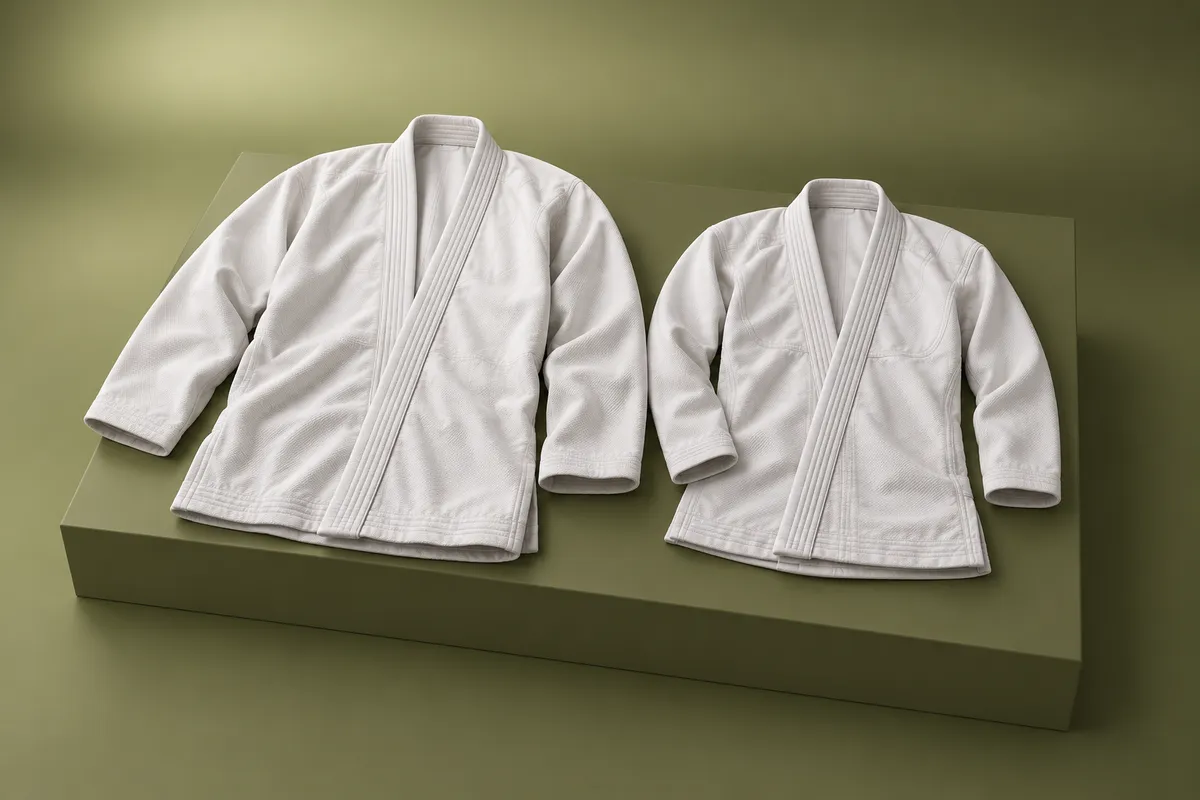
The cut and fit of a judo gi and a BJJ gi differ significantly, reflecting the distinct techniques and movements of each martial art. A judo gi is designed with a looser, more roomy fit to accommodate the dynamic throws and standing techniques typical of judo. The roomier jacket and longer sleeves provide more material for grips, which is essential for effective throws.
In contrast, a BJJ gi is more fitted, especially in the sleeves and skirt. This closer fit suits BJJ, where most of the work happens on the ground, as the guide to how gi and no-gi training differ explains. A tighter fit leaves less loose fabric for an opponent to control on the ground, which can be a significant advantage in close-quarters grappling.
Sleeves, skirt and collar
The sleeve and skirt lengths of a judo gi and a BJJ gi are another key area of difference. Judo gis have longer sleeves and skirts, which is beneficial for the standing techniques and throws that are central to judo. The extra fabric provides more material for grips and helps with the dynamic movements required.
BJJ gis, on the other hand, have shorter sleeves and skirts. This design minimizes the amount of fabric available for opponents to grab, which is crucial in BJJ where the focus is on ground techniques and guard work. The shorter sleeves and skirt also provide a more streamlined fit, enhancing mobility and reducing the risk of entanglement.
The collar of a BJJ gi is another important consideration. BJJ gis often have a reinforced collar to withstand the intense pulling and twisting that occurs during ground techniques. This reinforcement is less common in judo gis, where the focus is more on standing techniques.
Jacket weaves and weight
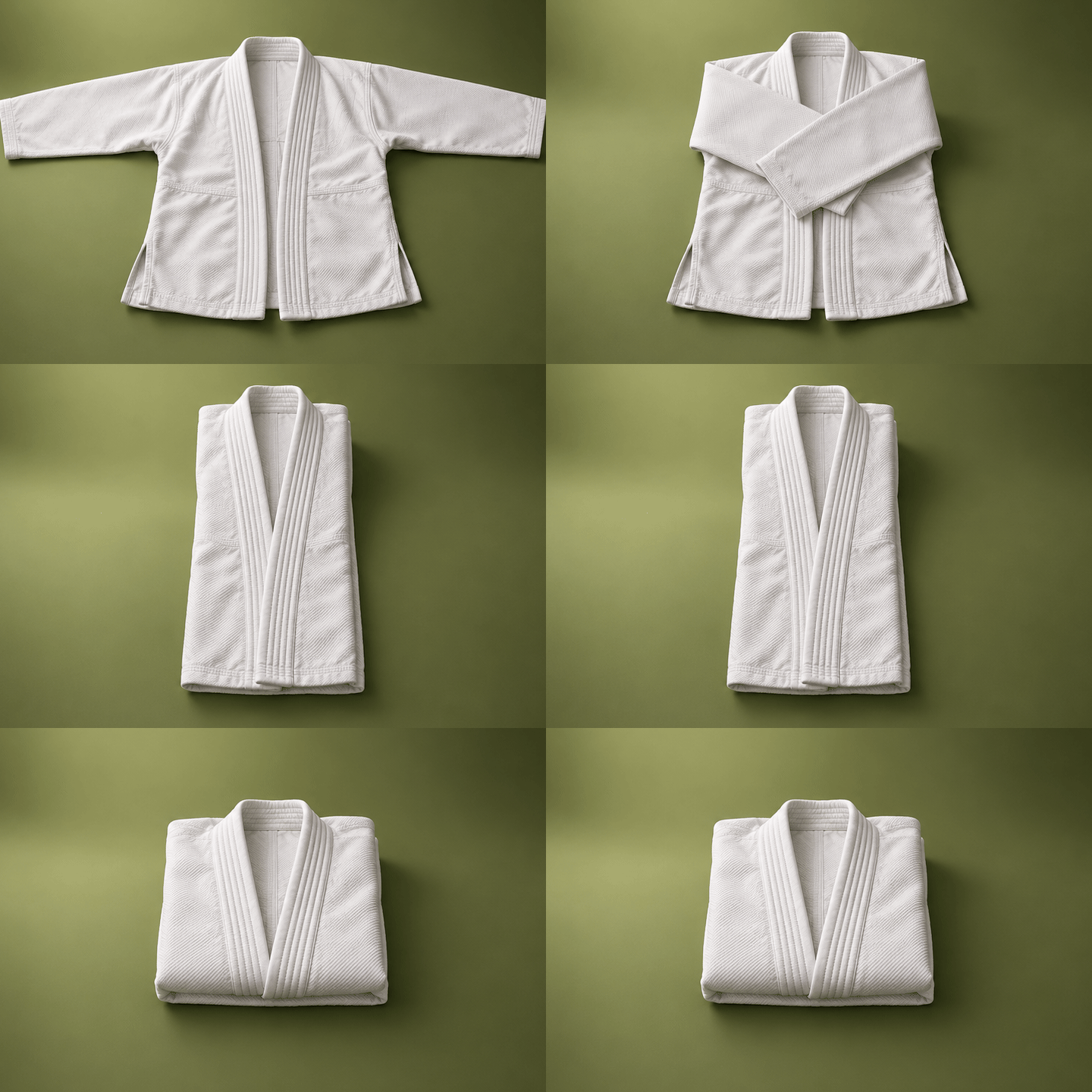
The fabric and weave of a judo gi and a BJJ gi play a significant role in their performance and durability. Judo gis are often made from thick single or double weaves, which provide the necessary strength and durability for the powerful throws and standing techniques of judo. The thick fabric helps to distribute the force of throws and reduces the risk of tearing.
BJJ gis, however, including most first BJJ gis, come in a variety of weaves, including single, pearl, and gold weaves, among others. These different weaves offer a range of weights and textures, catering to the specific needs of BJJ practitioners. For example, a single weave gi is lighter and more breathable, making it ideal for training in warm environments. Pearl and gold weaves offer a balance of weight and durability, making them popular choices for both training and competition.
Pants and reinforcement
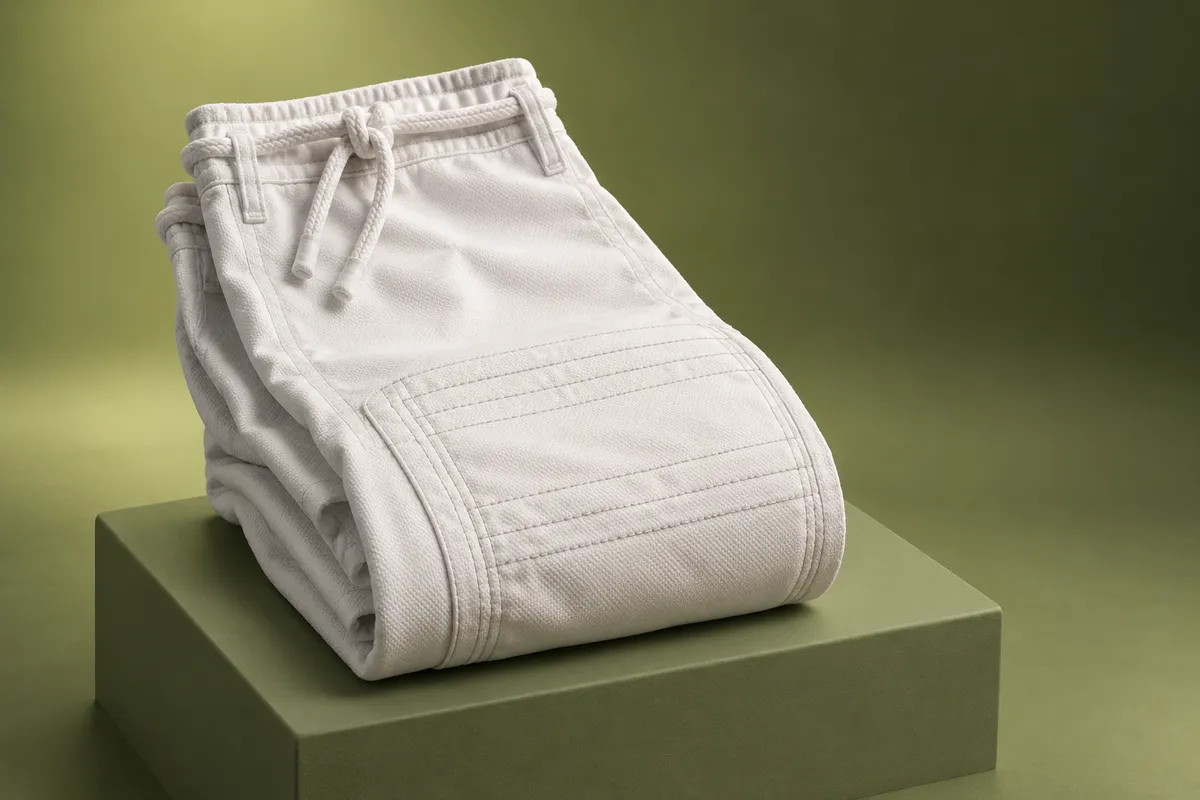
The pants of a judo gi and a BJJ gi also differ in terms of design and reinforcement. Judo gi pants are typically lighter and often lack knee reinforcement. This design is suitable for the standing techniques and throws of judo, where the focus is on mobility and agility.
BJJ gi pants, on the other hand, are usually reinforced at the knees to withstand the wear and tear of ground techniques and guard work. This reinforcement helps to extend the life of the gi and ensures that the pants remain durable and functional even after extensive use. The added reinforcement also provides additional support and protection for the knees during ground movements.
Can you train BJJ in a judo gi?
If you already have a judo gi, you can often use it for BJJ training, especially for your first class. Many BJJ academies are forgiving and will allow you to use a judo gi, particularly if you are new to the sport. However, it's important to check with your specific academy, as some may have specific requirements or preferences.
For competitions, the rules are more stringent. The IBJJF (International Brazilian Jiu-Jitsu Federation) publishes uniform rules for its events, and these rules can change. Always check the current rules of the event you plan to compete in to ensure compliance. The IJF (International Judo Federation) also publishes rules for judo competitions, and these should be followed for judo-specific events.
In class, you can expect that the longer sleeves of a judo gi may give your partners easy grips, which can be challenging during ground work. It's a good idea to communicate with your coach and training partners about the differences in your gi to ensure a smoother training experience.
Switching to a BJJ gi
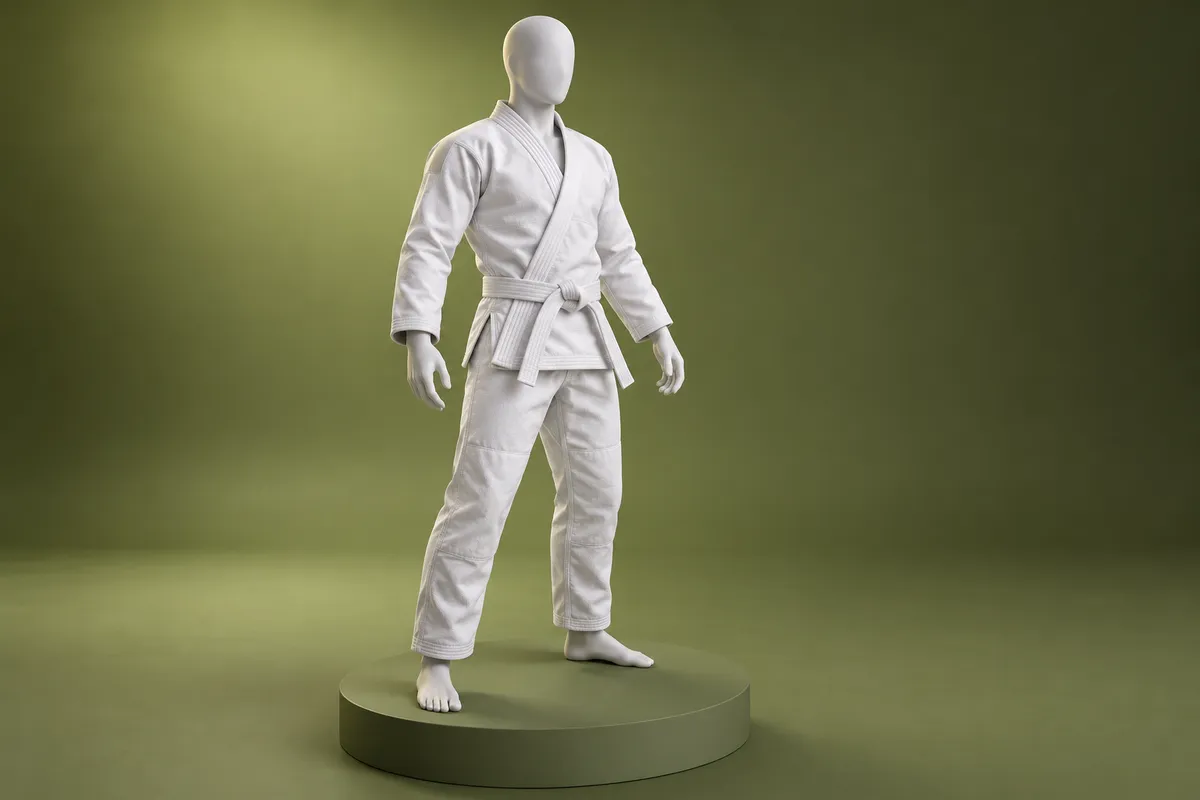
If you decide to switch from a judo gi to a BJJ gi, there are a few things to consider. The fit and cut of a BJJ gi are different, so it's important to check the size guide and product listing to ensure you get the right fit. BJJ gis are generally more fitted, with shorter sleeves and skirt lengths, which can take some getting used to if you are accustomed to the looser fit of a judo gi.
When comparing listings, pay attention to the jacket weave and weight, pant fabric, and knee reinforcement. For example, the Beginner Micro Pearl BJJ Gi is listed as a 380 GSM micro pearl weave jacket with 275 GSM cotton pants and reinforced knees.
Parents of children who start in BJJ can compare kids BJJ gis the same way: the Kids Beginner BJJ Gi is listed as a 350 GSM weave with an elastic waistband and a white belt included.
When choosing your first BJJ gi, consider the type of training you will be doing. If you are primarily training for fun or fitness, a lighter single weave gi might be more comfortable and breathable. For more intense training or competitions, a heavier and more durable weave like pearl or gold might be a better choice.
Belt and color conventions can vary by academy, so it's a good idea to ask your instructor or check the academy's guidelines. Some academies may have specific requirements for gi colors, such as white or blue, while others may be more flexible.
Frequently Asked Questions
I already have a judo gi, can I just use that?
Yes, you can often use a judo gi for BJJ training, especially for your first class. However, it's important to check with your specific BJJ academy, as some may have specific requirements or preferences. For competitions, always check the current rules of the event you plan to compete in to ensure compliance. Ask your coach if the judo gi meets the academy's standards and whether it will be suitable for the techniques you'll be practicing.
Should a BJJ gi be loose or tight?
A BJJ gi should be fitted but not restrictive, especially in the sleeves and skirt. This tighter fit makes it harder for opponents to grab and manipulate the gi, which is crucial in BJJ where the focus is on ground techniques and guard work. Sleeves usually end near the wrist when the arm is extended, and the skirt should allow for full range of motion without limiting movement. Check the size guide and the listing to ensure the best fit.
Why are judo gis thicker?
Judo gis are thicker to withstand the powerful throws and standing techniques of judo. The thick fabric helps to distribute the force of throws and reduces the risk of tearing. This durability is essential for the dynamic and high-impact nature of judo training and competition. Judo jackets are often made of heavier double-weave material because throws can pull hard on the jacket, making it more susceptible to wear and tear.
Does the colour of a judo or BJJ gi matter?
The color of a judo or BJJ gi can vary by academy and competition. Some academies may have specific requirements for gi colors, such as white or blue, while others may be more flexible. Always check with your instructor or the event rulebook to ensure compliance. For competitions, the IBJJF and IJF publish specific rules regarding gi colors and other requirements. The color rules can vary significantly, so it's crucial to verify them with your coach or the event organizers.
Conclusion
When considering a judo gi vs BJJ gi, the differences in cut, fit, fabric, and design are significant and reflect the distinct techniques and movements of each martial art. Whether you choose to use a judo gi for BJJ training or switch to a BJJ gi, always check with your academy or competition rulebook to ensure you are in compliance. Understanding these differences will help you make an informed decision and enhance your training experience.


