


Kids gi sizes use brand-specific labels, often M000 to M4 or K1 to K5, matched to a child's height and weight on that brand's own chart. Measure your child at home, compare with the chart for the exact gi, and allow modest growth room rather than buying a full size bigger. Understanding these labels and charts is essential to ensure your child gets a gi that fits well and lasts as long as possible.
Key Takeaways
- Brand-Specific Labels: Kids sizes vary by brand, using M000 to M4 or K1 to K5 labels.
- Home Measurement: Measure your child's height, weight, chest, and arm length for accurate sizing.
- Growth Room: Allow some room for growth, but avoid buying a full size bigger.
- Youth and Adult Sizes: Understand when a child transitions from kids to youth or adult sizes.
- Fabric Care: Following the care label can reduce shrinkage and help the gi last the term.
Table of Contents
- How kids gi sizes work
- M labels, K labels and youth sizes
- How to measure your child
- Reading a brand's size chart
- Sizing up for growth
- Moving to adult sizes
- Frequently Asked Questions
How kids gi sizes work
Understanding kids gi sizing is crucial for a comfortable and well-fitting garment. Like adult gis, kids gis can vary significantly between brands. This is because children grow at different rates, and brands account for this by using specific labels and charts. These labels, such as M000 to M4 or K1 to K5, are designed to match a child's height, weight, and body measurements. It's important to note that these labels are not universal; what is an M2 in one brand might be a K3 in another. Therefore, always refer to the specific brand's size chart when making a purchase.
The key to finding the right size is to measure your child accurately and compare those measurements to the brand's chart. This ensures that the gi fits well and provides the necessary room for movement and growth. Additionally, some brands offer youth sizes, which are designed for older children who are transitioning from kids sizes to adult sizes. Understanding these nuances can help you make an informed decision and ensure your child is comfortable and confident during training.
M labels, K labels and youth sizes
Kids sizes are often denoted by M or K labels, which can be confusing for first-time buyers. The M labels, ranging from M000 to M4, are commonly used by many brands. M000 typically represents the smallest size, suitable for very young children, while M4 is for older, larger kids. Similarly, K labels (K1 to K5) are used by some brands, with K1 being the smallest and K5 the largest. These labels are not interchangeable between brands, so always check the specific brand's size chart.
Youth sizes are another category to consider. These are designed for older children who are approaching adult sizes but are not quite ready for the full adult A0 size. Youth sizes offer a middle ground, providing a better fit for children who are taller or heavier than the typical kids sizes. Transitioning from kids to youth sizes, and eventually to adult sizes, is a gradual process that depends on the child's growth rate and physical development. Always consult the size chart and consider the child's current measurements and growth patterns when making this transition.
How to measure your child
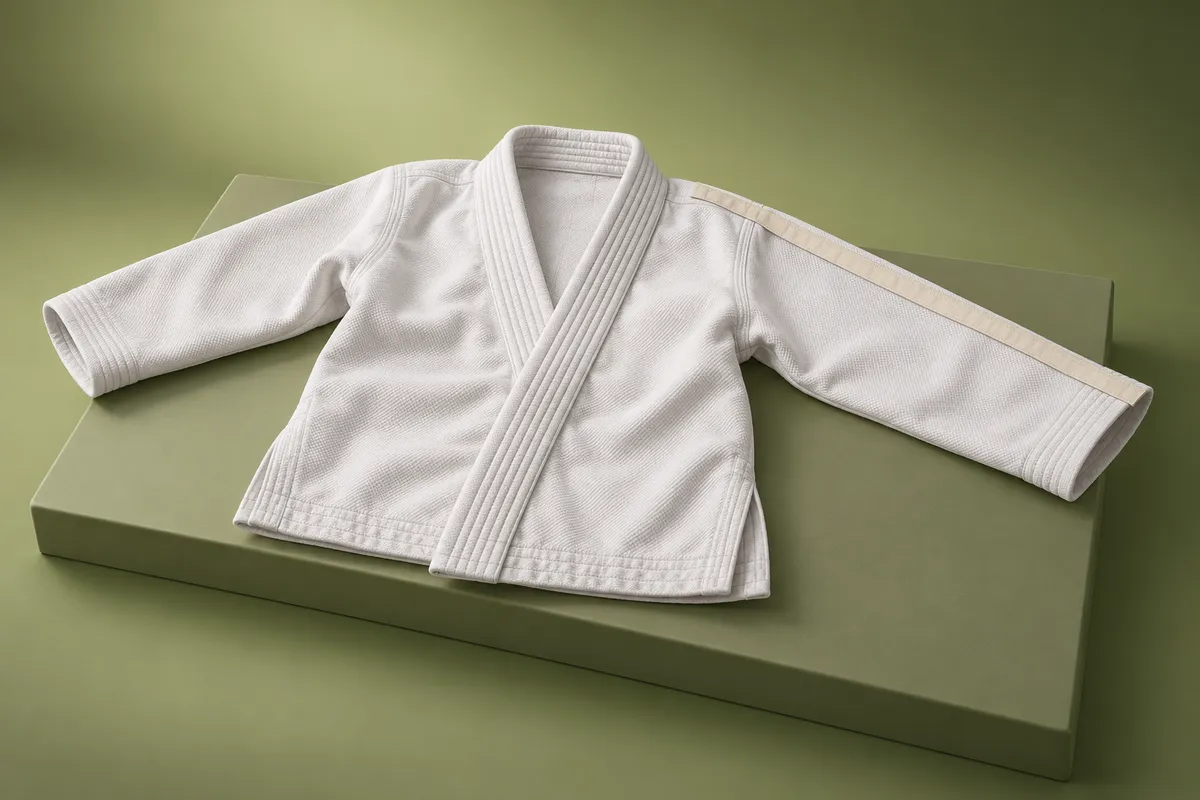
Accurate measurements are the foundation of finding the right kids gi size. Follow these steps to ensure you get the most precise measurements:
- Height: Have your child stand straight against a wall. Mark the height at the top of their head and measure from the floor to this mark using a tape measure.
- Weight: Use a reliable scale to weigh your child. Record the weight in pounds or kilograms.
- Chest: Measure around the fullest part of your child's chest, ensuring the tape measure is level and not too tight.
- Arm Length: Measure from the shoulder to the wrist on one arm. This will help determine the sleeve length.
- Pant Length: Measure from the waist to the ankle to determine the appropriate pant length.
Once you have these measurements, compare them to the brand's size chart. This will help you identify the best size for your child. If your child is between sizes, consider the following section on sizing up for growth. Accurate measurements and careful consideration of the size chart will ensure your child's gi fits well and provides the necessary room for movement and comfort during training.
Reading a brand's size chart
When you're ready to order a kids gi, the size chart is your most important tool. Each brand has its own sizing system and chart, so it's crucial to refer to the specific chart for the gi you're considering. For example, a listing such as the Kids Beginner BJJ Gi is listed as a 350 GSM weave with an elastic waistband and a white belt included, while the Kids Ultralight BJJ Gi is listed as a 275 GSM jacket with 10 oz ripstop pants. Each listing has its own size chart, and that chart is what guides the fit.
Start by measuring your child accurately, as described in the previous section. Once you have the measurements, compare them to the brand's size chart. Most charts will list sizes using labels like M000 to M4 or K1 to K5, along with corresponding height and weight ranges. However, these ranges can vary significantly between brands, so always use the specific chart for the gi you're buying. If your child falls between sizes, read the next section before you choose.
Additionally, pay attention to the gi's material and care instructions. For instance, cotton gis can shrink if washed in hot water or tumble dried, so it's important to follow the care label to maintain the gi's size and quality. If the chart or product description mentions special care instructions, make a note of them to ensure your child's gi stays in the best possible condition.
Sizing up for growth
Deciding whether to size up for growth is a common dilemma for parents. While it's tempting to buy a larger gi to accommodate future growth, there are several factors to consider. First, a gi that is too large can hinder your child's performance and safety. Loose-fitting gis can be more difficult to control and can pose a risk during grappling. Additionally, overly large gis can be uncomfortable and may affect your child's confidence and enjoyment of the sport.
Instead of buying a full size bigger, opt for a gi that allows for a small amount of growth room. A gi that is slightly larger but still fits well can provide the necessary comfort and mobility for your child to train effectively.
It's also important to consider the material and care of the gi. Cotton gis, for example, can shrink if not cared for properly. Washing the gi in cold water and air drying it can help maintain its size and prevent shrinkage. If you are concerned about growth, check the care label and the listing for fabric details before you order.
Moving to adult sizes
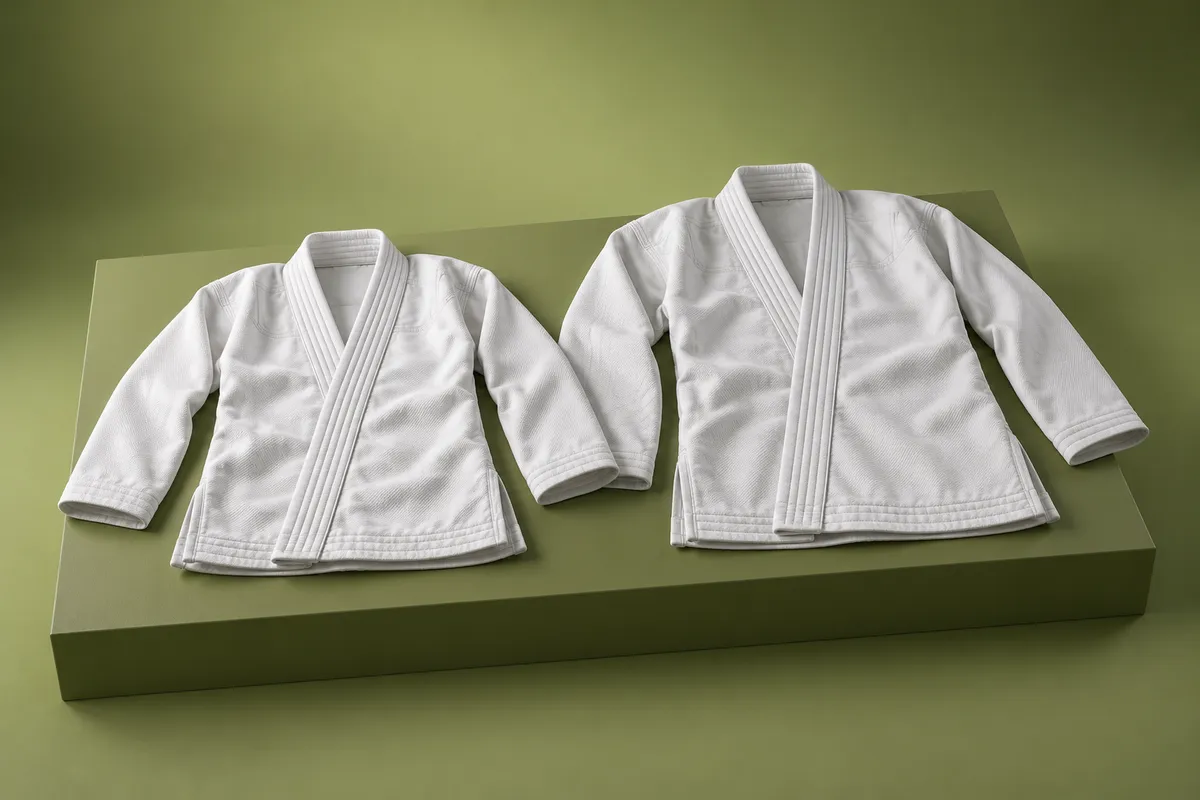
As children grow, they will eventually outgrow their kids gis and transition to adult sizes. The transition point can vary depending on the child's height and weight, and there is no single age or height for it. Consult the specific brand's size chart for both kids and adult sizes.
When your child is approaching the adult size range, it's a good idea to measure them again and compare their measurements to both the kids and adult size charts. If they fall into the adult size range, consider trying on an adult gi to ensure the fit is right. Adult gis, particularly the A0 size, are designed to fit smaller adults and older teens, making them a suitable option for transitioning children.
It's also worth noting that the fit and feel of adult gis can differ from kids gis. Adult gis are often made with different materials and construction techniques, so it's a good idea to try one on if possible. If your child is new to adult gis, they might need a bit of time to get used to the feel and fit. Encourage them to train in the new gi to ensure it meets their needs and preferences.
Frequently Asked Questions
My child is between two sizes, should I go bigger to grow into it?
If your child is between two sizes, it depends on the brand's chart and how the gi fits now. A slightly bigger size can work if the sleeves and pants do not cover the hands or feet. However, ensure the gi is not too loose, as this can affect performance. It's best to consult with your child's coach for a tailored recommendation.
How important is age when choosing a gi size?
Age is less important than height, weight, and limb length when choosing a gi size. Focus on these measurements to ensure the gi fits well and allows for comfortable movement. Age can vary widely for children of the same size, so always measure your child and refer to the brand's size chart for the best fit.
Should I worry about fabric shrinkage?
Cotton gis can shrink slightly if washed in hot water or tumble dried. To minimize shrinkage, follow the care label instructions: wash in cold water and air dry. Regular maintenance will help maintain the gi's size and extend its lifespan. If you're concerned about shrinkage, consider a slightly larger size initially.
How do I size a kids BJJ gi for fast growth?
When sizing a kids BJJ gi for fast growth, aim for a gi that fits well now with a bit of room to grow. Measure your child accurately and compare the measurements to the brand's size chart. Choose a size that allows for some growth without being too loose. Regularly check the fit and be prepared to replace the gi as needed to ensure optimal performance and comfort.
Conclusion
Understanding a child's gi size is crucial for ensuring your child has a comfortable and functional gi. Measure your child accurately, consult the brand's size chart, and allow a bit of room for growth without compromising mobility. Regular care, such as cold washing and air drying, can help maintain the gi's size and quality.


