


A karate gi is usually a light, loose cotton uniform built for striking and fast movement, with a thin collar. A BJJ gi is heavier and more fitted, with a thick reinforced collar and reinforced pants made to be gripped and pulled. Most academies ask for a BJJ gi, so check before your first class.
Key Takeaways
- A karate gi is designed for striking and fast footwork, while a BJJ gi is built for grappling and ground work.
- BJJ gis are typically heavier and more durable, with reinforced collars and pants, compared to the lighter and looser karate gis.
- Wearing a karate gi to a BJJ class is not recommended due to the risk of tearing and the need for specific features like reinforced collars and knees.
- When transitioning from karate to BJJ, look for a BJJ gi with a good fit, reinforced knees, and adherence to your academy's color rules.
- Parents should consider a BJJ gi with a comfortable fit and suitable weight for children moving from karate to BJJ.
Table of Contents
- Karate gi vs BJJ gi at a glance
- What each uniform is built for
- Fabric and weight
- Collar and lapel
- Cut, sleeves and pants
- Can you wear a karate gi to BJJ?
- Choosing a first BJJ gi after karate
- Frequently Asked Questions
Karate gi vs BJJ gi at a glance
| Karate gi (in general) | BJJ gi (in general) | |
|---|---|---|
| Built for | Striking, kata and fast footwork | Gripping, pulling and ground work |
| Fabric | Light cotton or canvas, often thin | Heavier woven cotton jacket |
| Collar | Thin and soft | Thick and reinforced |
| Cut | Loose, longer sleeves and legs | More fitted, shorter sleeves and skirt |
| Pants | Light, usually unreinforced | Usually reinforced at the knees |
What each uniform is built for
A karate gi is designed with striking and fast footwork in mind. The loose fit and light fabric allow for quick movements, making it ideal for kata and kumite. The karategi, sometimes called a dogi, is a traditional uniform that emphasizes agility and speed. In contrast, a BJJ gi is built for grappling and ground work, the kind of training compared in gi vs no-gi BJJ. The heavier, more durable fabric, along with the reinforced collar and pants, ensures that the uniform can withstand the intense pulling and gripping that is common in BJJ. The taekwondo uniform (dobok) is a different garment again, designed for high kicks and dynamic movements.
Fabric and weight
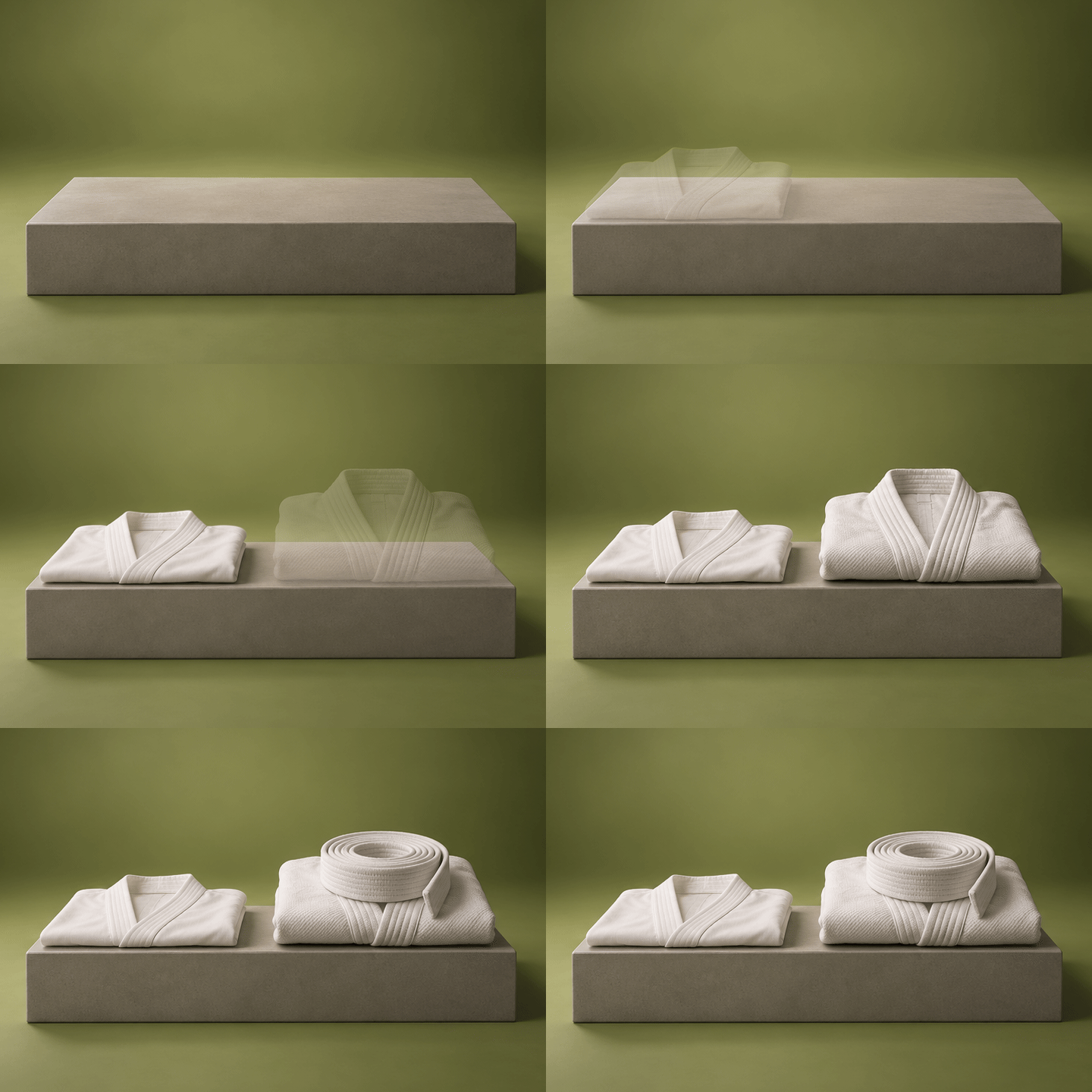
The fabric of a karate gi is typically light cotton or canvas, which provides a comfortable and breathable experience for the practitioner. The thin fabric is perfect for the dynamic movements required in karate. Canvas feels sturdy yet flexible, while brushed cotton offers a soft and smooth texture. On the other hand, a BJJ gi is made from heavier woven cotton, with weights varying by weave and brand. BJJ jackets come in single, pearl, and other weaves in many weights, so it's important to compare listings, for example across the first BJJ gis, to find the right fit for your needs. The heavier fabric provides the necessary durability to handle the rigors of BJJ training, where the gi is frequently gripped and pulled.
Collar and lapel
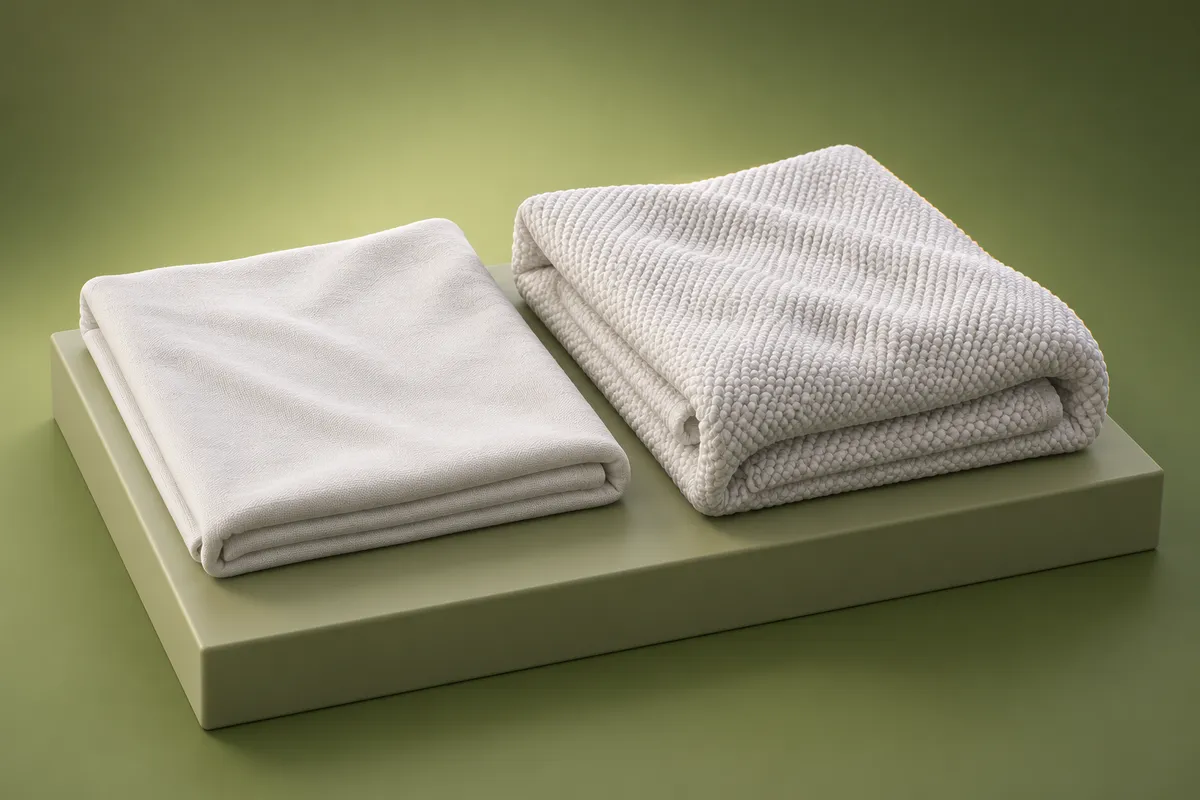
The collar of a karate gi is thin and soft, designed to be lightweight and comfortable. It is not built to withstand the intense gripping and pulling that is common in BJJ. In contrast, the collar of a BJJ gi is thick and reinforced. This design is not to prevent grabbing but to ensure that the collar can be gripped and pulled without tearing or folding, which is crucial for maintaining control during grappling. The thick collar also adds to the overall durability of the BJJ gi, making it suitable for the intense training environment.
Cut, sleeves and pants
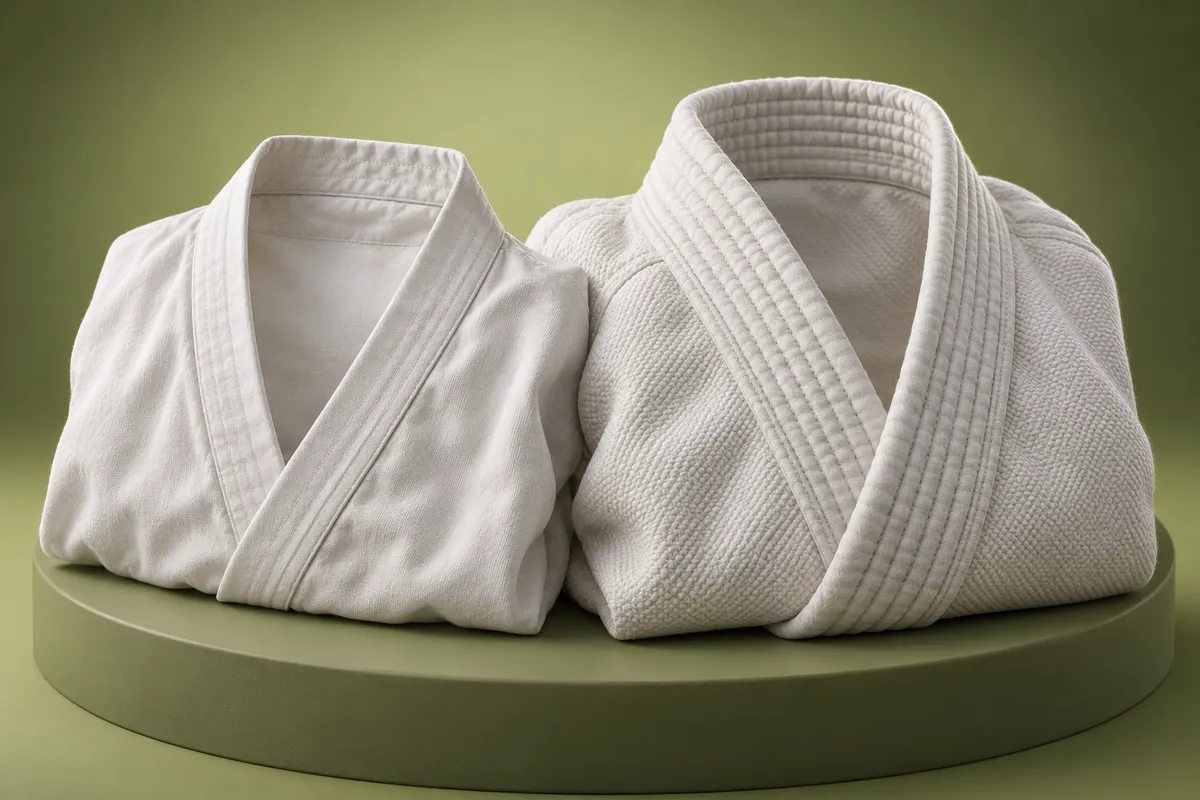
The cut of a karate gi is loose, with longer sleeves and legs. This loose fit allows for a wide range of motion, which is essential for the fast and dynamic movements in karate. The loose cut also helps to reduce wind resistance and allows for quick, powerful strikes. BJJ gis, however, have a more fitted cut with shorter sleeves and a shorter skirt. This design minimizes the surface area that can be grabbed and pulled, making it more suitable for ground work and grappling. The pants of a karate gi are usually light and unreinforced, providing a comfortable fit for fast movements. BJJ gi pants, on the other hand, are often reinforced at the knees with a drawstring waist to withstand the stress of ground work and to prevent wear and tear. Knee reinforcement is crucial for BJJ, as it helps to protect the fabric from the constant friction and pressure during ground techniques.
Belts are an integral part of both karate and BJJ uniforms, but the systems and colors can differ significantly between the arts and even between academies. In karate, belts often follow a color progression from white to black, with intermediate colors indicating different levels of skill and experience. In BJJ, the belt system is also color-based, but the progression and criteria for advancement can vary. It's important to ask your coach about the specific belt system and color requirements before wearing a karate belt in a BJJ class. Wearing the wrong belt can be seen as disrespectful or may not be allowed in some academies.
Can you wear a karate gi to BJJ?
Wearing a karate gi to a BJJ class is generally not recommended. The thin, loose fabric of a karate gi can easily tear when subjected to the gripping and pulling that is common in BJJ. Many BJJ academies require students to wear a BJJ gi to ensure safety and adherence to training standards. If you are unsure, it's best to ask the academy before your first class. Some academies may lend a BJJ gi to new students until they can purchase their own.
Choosing a first BJJ gi after karate
When transitioning from karate to BJJ, it's important to choose a BJJ gi that fits well and meets the specific needs of BJJ training. Look for a gi with a good fit, as a poorly fitting gi can be a liability during training. The jacket should be made from a durable weave, such as the 380 GSM 100% cotton weave listed for the Beginner Essential BJJ Gi. Reinforced knees in the pants are also crucial for ground work.
Additionally, consider the color rules of your academy. Many BJJ academies have specific color requirements for their gis, so it's important to choose a gi that adheres to these rules. For children moving from karate to BJJ, browse the kids BJJ gis and look for a gi that is comfortable and suitable for their size, such as the Kids Graphic BJJ Gi Space Edition, listed as a 350 GSM cotton weave with lightweight cotton pants and an elastic waistband. Parents should ensure that the gi fits well and is appropriate for the child's level of activity and comfort.
Frequently Asked Questions
Can you use a karate gi for BJJ?
Wearing a karate gi to BJJ is generally not recommended. The thin, loose fabric can tear easily when subjected to the gripping and pulling common in BJJ. Most BJJ academies require a BJJ gi to ensure safety and adherence to training standards. If you are unsure, ask the academy whether it lends gis to new students before your first class.
Can you use a judo gi for karate?
A judo gi can be used for karate, but it may not be the best choice. Judo gis are designed for gripping and pulling, making them heavier and less suitable for the fast, dynamic movements required in karate. However, if a judo gi is the only option, it can still be used. The karate school decides what uniform it accepts, so check with your instructor.
Why is a BJJ gi thicker than a karate gi?
A BJJ gi is thicker than a karate gi because it is designed to withstand the intense gripping and pulling that is common in BJJ. The thicker, heavier fabric and reinforced collar provide the necessary durability to handle the rigors of BJJ training, unlike the lighter, more breathable fabric of a karate gi. BJJ jackets are woven to be gripped and pulled, and weights vary by weave and brand, so compare listings to find the right fit.
Should a BJJ gi be loose or tight?
A BJJ gi should fit well but not be overly loose or tight. A well-fitted gi minimizes the surface area that can be grabbed and pulled, making it more suitable for ground work and grappling. A gi that is too loose can be a liability, while one that is too tight can restrict movement and comfort. Sleeves usually end near the wrist with the arm extended, so check the size guide and the listing to ensure a proper fit.
Conclusion
When considering the karate gi vs BJJ gi, it's clear that each uniform is designed with specific needs in mind. A BJJ gi is more durable and tailored for grappling, while a karate gi is lighter and better suited for striking. If you're transitioning from karate to BJJ, ask the academy about their requirements and then compare BJJ gi listings to find the best fit for your needs.


