


A cheap BJJ gi can work for a first gi or a spare, but budget gis often save on fabric weight, collar thickness, stitching, and pant reinforcement. Check the weave and weight, the collar, the knee reinforcement, and the brand's size chart, and ask your academy about colour rules before you buy.
Key Takeaways
- Budget gis often save on fabric weight, collar thickness, stitching, and pant reinforcement.
- Always check the weave, GSM, collar thickness, knee reinforcement, and brand size chart before buying.
- Consider a starter set that includes a belt, replacement pants, and a plain gi that fits academy colour rules to save money.
- Verify your academy's colour and patch customs before purchasing a gi.
- Proper care (cold wash, air dry) can extend the life of any BJJ gi.
Table of Contents
- Is a cheap BJJ gi worth it?
- Where budget gis usually save
- A checklist for any listing
- Sizing so you only buy once
- Ways to spend less
- A cheap gi as a spare
- Frequently Asked Questions
Is a cheap BJJ gi worth it?
When you're new to Brazilian Jiu-Jitsu or need a spare gi, a budget gi can be a practical choice. A budget gi can serve you well in the early stages of training, especially if you're not sure about long-term commitment, and the guide to the best jiu jitsu gi for beginners covers what any first gi needs. However, it's important to understand where cost-cutting measures are applied and how to ensure the gi still meets your needs.
A budget gi might save on fabric weight, collar thickness, and overall construction quality. The lighter weight can make it more comfortable in warm environments, but it might also mean less durability. If you're considering a budget gi, it's crucial to weigh the trade-offs and ensure it meets basic requirements for training and, if applicable, competition.
Where budget gis usually save
Budget gis often cut costs in several key areas, which can affect the gi's performance and longevity. Understanding these areas can help you make an informed decision when shopping for a budget gi.
| Where budget gis often save (in general) | What to check on the listing | Why it matters |
|---|---|---|
| Fabric weight | Weave name and GSM | Feel and how quickly it dries |
| Collar | Collar thickness or filling | The collar takes most grips |
| Stitching | Reinforced seams at stress points | Armpits and skirt split take strain |
| Pants | Knee reinforcement and waistband type | Pants often wear first |
| Sizing | A brand size chart you can read | Labels differ between brands |
Fabric Weight
The fabric weight, measured in grams per square meter (GSM), significantly affects the gi's durability and comfort. Lighter jackets breathe more and dry faster, while heavier ones feel thicker; weights vary by weave and brand, so compare the GSM on each listing. Check the weave type: single weave is usually lighter, and pearl weave usually sits a little heavier.
Collar
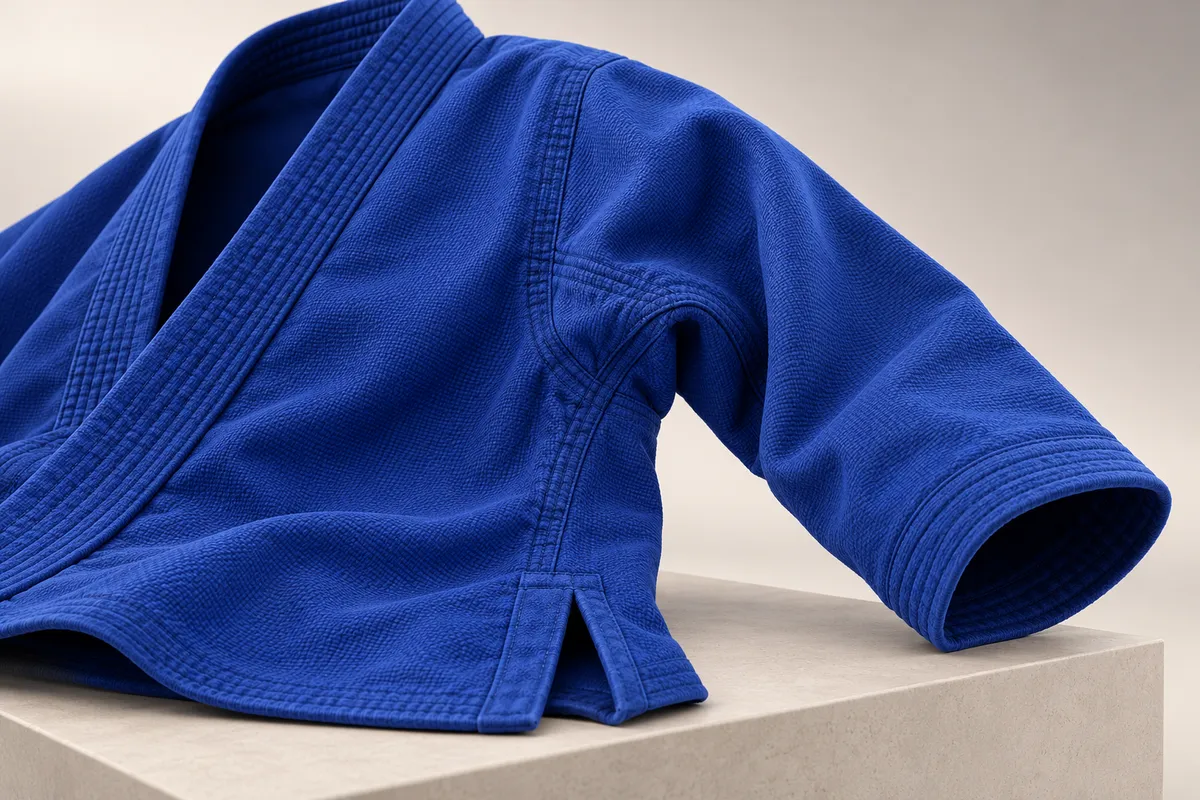
The collar is a critical part of the gi, as it takes the most grips during training. A thinner or less reinforced collar can wear out quickly, affecting the gi's performance. Look for gis with a thicker collar or one filled with a more robust material, such as cotton or rubber.
Stitching
Reinforced seams at stress points, such as the armpits and skirt, are essential for durability. Cheap gis may skimp on stitching, leading to splits and tears. Check the listing for mentions of reinforced seams and look for visible reinforcement in product images.
Pants
The pants are often the first part of a gi to wear out, especially at the knees. Knee reinforcement, such as double stitching or patches, can extend the life of the pants. The waistband type is also important; a drawstring is easy to adjust, while an elastic waistband is quicker to put on, so check which one the listing describes.
Sizing
Different brands have different sizing standards, so it's crucial to check the brand's size chart before purchasing. A well-fitting gi is more comfortable and performs better during training. If the size chart is unclear or unavailable, consider looking for a different brand.
A checklist for any listing
Before you buy a budget gi, use this checklist to evaluate any listing:
- Weave and GSM: Look for the weave type (single or pearl) and GSM. A higher GSM means a heavier jacket fabric, not the weight of the whole gi.
- Collar: Check the collar thickness and any reinforcement. A thicker collar with sturdy stitching is ideal.
- Stitching: Look for reinforced seams at stress points like the armpits and skirt.
- Pants: Ensure the pants have knee reinforcement and a durable waistband.
- Size Chart: Verify the brand's size chart to ensure a proper fit.
- Brand Reputation: Research the brand's reputation and customer reviews to gauge quality and durability.
- Care Instructions: Check the care label for washing and drying instructions to maintain the gi's quality.
Using this checklist on any listing, including the first BJJ gis, can help you identify a budget gi that meets your needs without sacrificing essential features.
Sizing so you only buy once
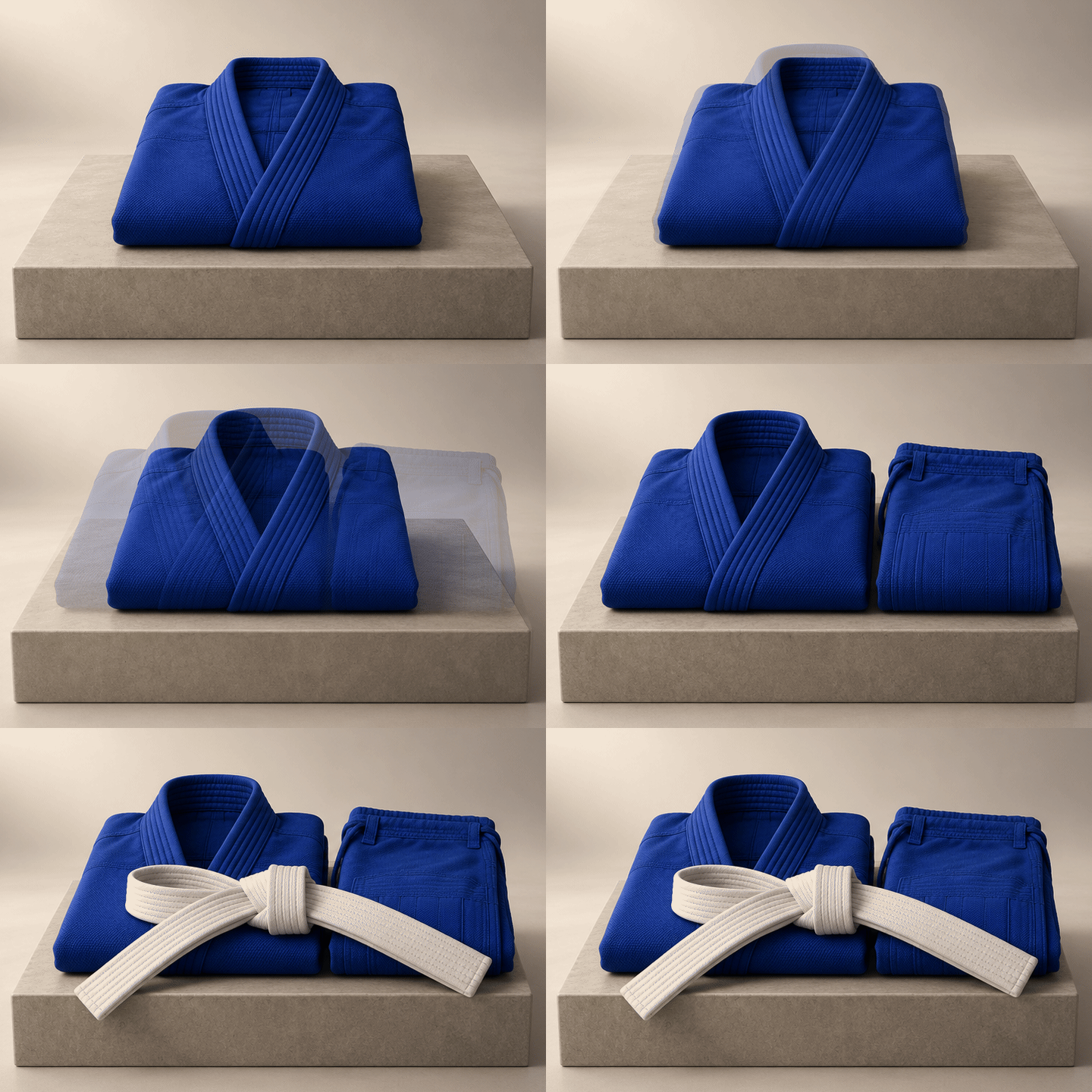
Proper sizing is crucial for a comfortable and effective BJJ gi. Here are some tips to ensure you get the right fit on your first try:
- Check the Size Chart: Always refer to the brand's size chart. Different brands have different sizing standards, so a medium from one brand might be different from another.
- Measure Yourself: Take accurate measurements of your chest, waist, and inseam. Compare these measurements to the brand's size chart to find the best fit.
- Try Before You Buy: If possible, try on the gi before purchasing. This can help you determine if the fit is right and if you need to size up or down.
- Consider Your Training Style: If you prefer a looser fit for more mobility, you might want to size up. Conversely, if you prefer a tighter fit for better control, consider sizing down.
- Shrinkage: Be aware that gis can shrink after washing and drying. Opt for a slightly larger size if you're on the fence between two sizes.
Taking the time to find the right size can save you money and ensure you have a gi that fits well and performs well during training.
Ways to spend less
There are several strategies you can use to get a BJJ gi without breaking the bank:
Starter Set
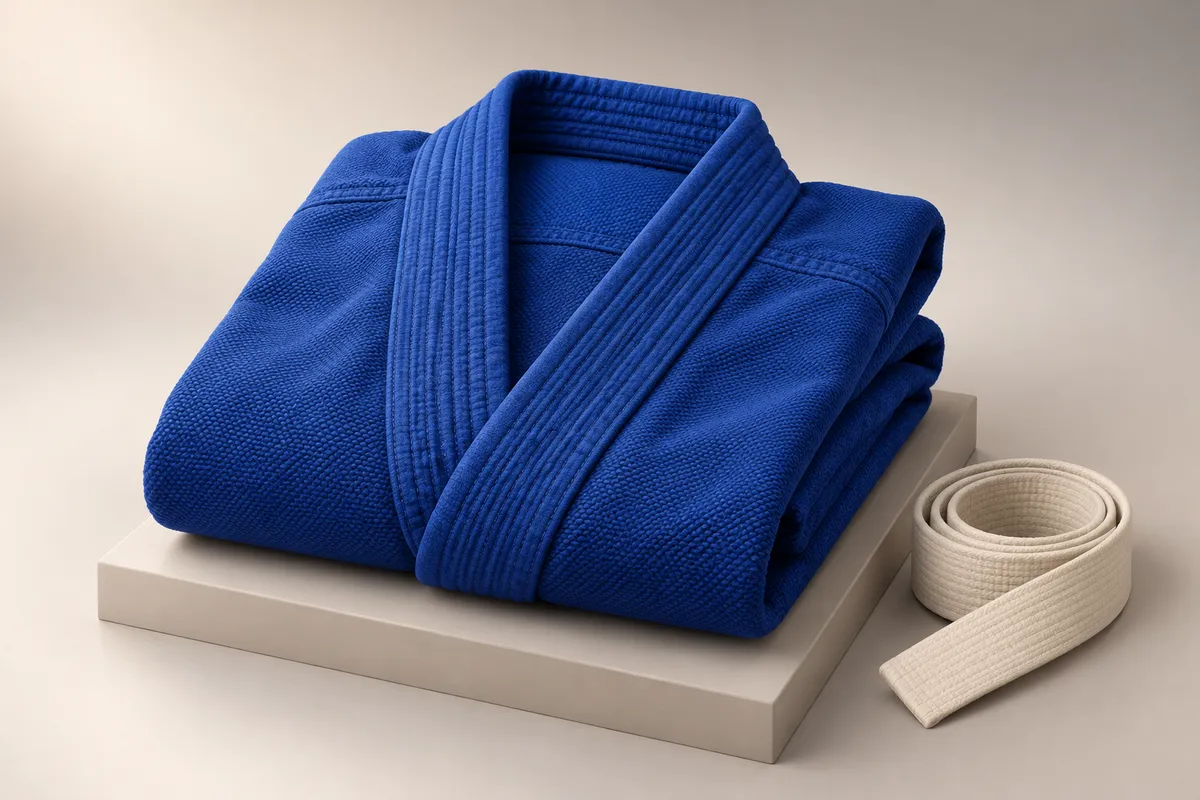
Consider a starter set that includes a gi and a white belt. A set means you do not have to shop for a belt separately. For example, the First BJJ Gi Starter Set is listed as a lightweight cotton blend with a white belt included,.
Replacement Pants
If only the pants are wearing out, consider buying replacement pants instead of a full gi. This can save you money and extend the life of your gi. Replacement BJJ gi pants are listed on their own, so check the fabric and the size label against the jacket you already own.
Plain Gi
A plain gi that fits your academy's colour rules can be a cost-effective choice. Custom patches and designs can add to the cost, so opt for a simple, solid-colour gi that meets your academy's requirements.
Academy Customs
Check with your academy about any specific colour or patch customs. Some academies have strict rules, while others are more flexible. Ensuring your gi meets these requirements can save you from having to buy a new one later.
A cheap gi as a spare
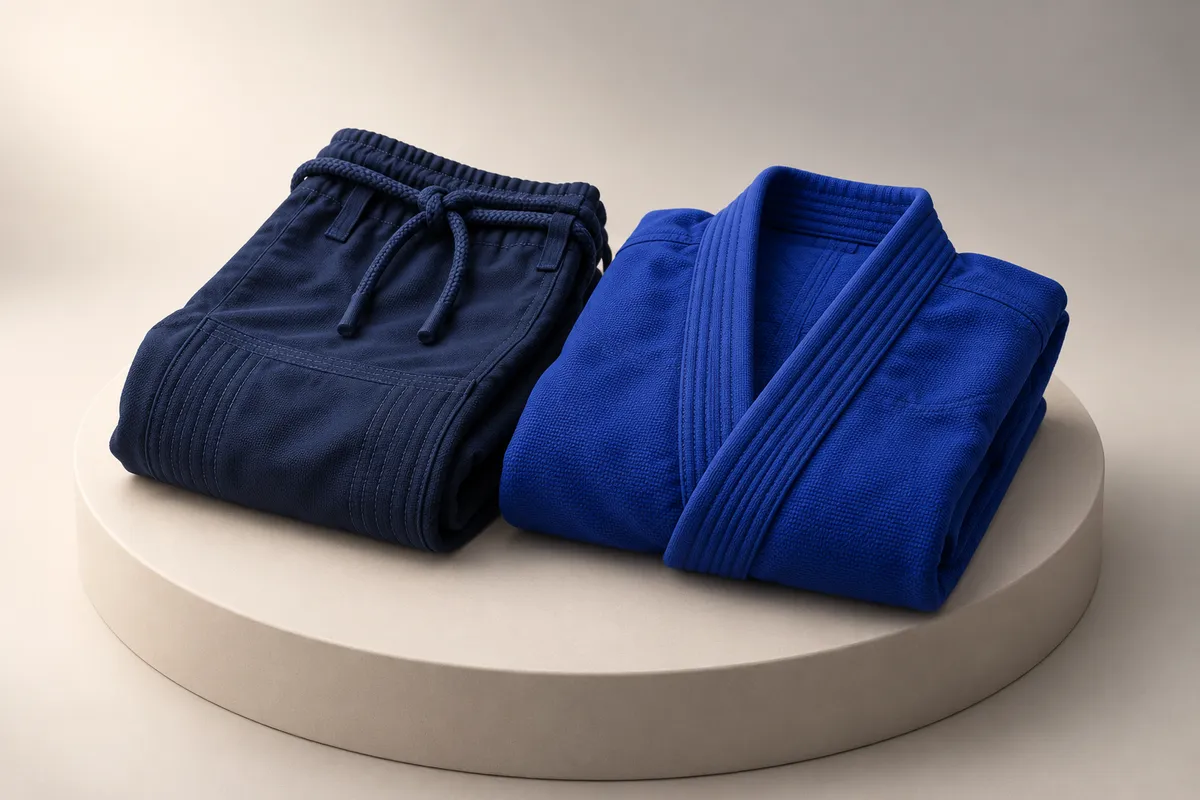
Having a spare BJJ gi can be incredibly useful, especially if you train frequently or attend multiple classes in a week. A cheap gi can serve as a reliable backup without the need to spend a lot of money. Here are some considerations:
- Training Frequency: If you train multiple times a week, a spare gi can ensure you always have a clean one ready.
- Travel: A lightweight, budget-friendly gi is ideal for travel, as it takes up less space and is easier to pack.
- Competition: Having a spare gi can be a lifesaver if you need to compete on short notice or if your primary gi is not available.
- Backup for Beginners: If you're a beginner, a cheap gi can be a good option until you decide if you want to invest in a higher-quality one.
Frequently Asked Questions
How cheap is too cheap for a BJJ gi?
A BJJ gi that is too cheap might compromise on quality, durability, and fit. While budget gis can be a great option, look for a balance between cost and essential features such as fabric weight, collar thickness, and stitching. A good rule of thumb is to prioritize gis with a weave type, GSM, and reinforcements that meet your training needs.
Is it worth buying a cheap gi as a backup?
Yes, a budget gi as a backup can be very useful. A budget gi can serve as a reliable spare, especially if you train frequently, travel, or need a quick replacement for competitions. Ensure the gi meets basic quality standards and fits well to make it a practical addition to your training gear.
Are cheap gis IBJJF legal?
Whether a budget gi can be worn at IBJJF competitions depends on the specific rules of the event. The IBJJF publishes uniform rules that must be followed, and these rules can vary by event. Check the current rules of the event you plan to attend to ensure your gi is compliant. Price does not determine legality; always verify the gi's specifications against the event rules.
Which budget BJJ gi is best?
There is no single best budget gi; the right one meets your needs for fit, fabric and construction. Look for gis with a good weave type (single or pearl), appropriate GSM, reinforced seams, and a well-fitted collar. Read the size chart and the care label, and ask your academy about colour rules before you order.
Conclusion
A budget gi can be a practical and cost-effective choice for beginners or as a spare. By understanding where budget gis usually save and using a checklist to evaluate listings, you can find a gi that meets your training needs without overspending. Proper sizing and care can further extend the life of your gi, ensuring it serves you well through your early training.


